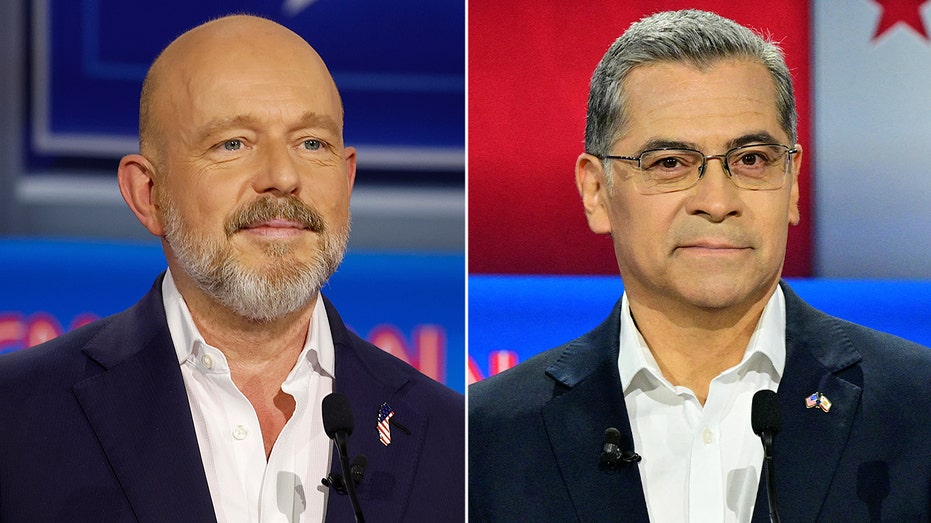
Hilton, Becerra Lead California Governor Race as Ballots Are Counted
Steve Hilton and Xavier Becerra are ahead in the California gubernatorial election, with final results pending ballot tabulation.
Steve Hilton and Xavier Becerra are currently leading the race for California governor as election officials continue to count ballots across the state. The two candidates have emerged as the frontrunners in a closely watched contest that will determine the state's next chief executive.
With a significant number of votes still outstanding, the outcome of the election remains uncertain. Both Hilton and Becerra have been actively campaigning, presenting their visions for California's future to voters. Their campaigns have focused on key issues such as the economy, public safety, and environmental policy, resonating with different segments of the electorate.
The current vote counts indicate a tight race, with the margin between the leading candidates subject to change as more ballots are processed. Election observers are closely monitoring the tabulation process, which is expected to continue over the coming days. The results will shape the political landscape of California for the next four years.
The implications of this election are far-reaching, as the governor plays a pivotal role in shaping state policy and budget priorities. The winner will face the challenge of addressing complex issues such as housing affordability, climate change initiatives, and the state's economic recovery. The public's response to the candidates' platforms will ultimately decide who takes the helm.
Both candidates have extensive political backgrounds. Hilton, a vocal critic of current state policies, has emphasized a platform of fiscal responsibility and reduced regulation. His supporters often point to his business acumen and his promise to bring a fresh perspective to Sacramento. Becerra, with experience in both legislative and executive branches, has focused on social programs, environmental protection, and expanding access to healthcare.
As the counting progresses, stakeholders from various sectors are expressing their anticipation for the final results. Business leaders, labor unions, and advocacy groups are all keenly interested in the policies the next governor will pursue. The composition of the state legislature and potential ballot propositions could also influence the governor's ability to enact their agenda.
Past gubernatorial elections in California have often seen close contests, particularly when the field of candidates is diverse and voter turnout is high. The ongoing ballot count highlights the importance of every vote in determining the election's outcome. The process is designed to ensure accuracy and fairness, reflecting the democratic principles of the state.
Unresolved questions remain regarding the final vote tally and the specific policy directions the leading candidates will prioritize once in office. The coming days will provide greater clarity on who will lead California and what their administration will aim to achieve.
This article was written by AI based on publicly available news reporting. Original reporting by the linked source.