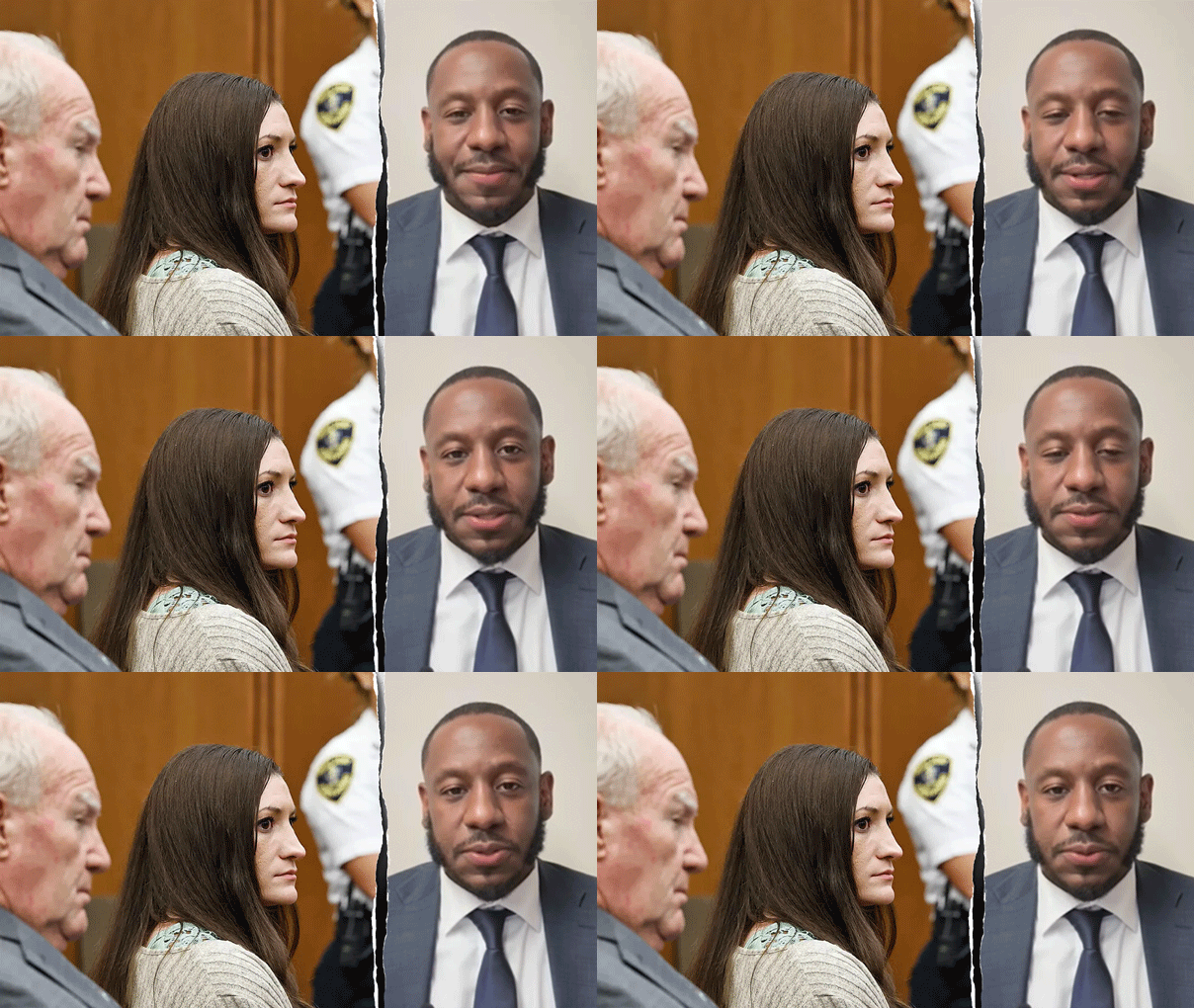
Holdout Juror in Lindsay Clancy Case Speaks Out, Citing Doubt
A holdout juror in the Lindsay Clancy case has broken silence, expressing doubts and seeking specific information ahead of a key retrial hearing.
A juror who held out in the trial of Lindsay Clancy has broken silence for the first time, revealing a key point of contention that contributed to the mistrial. This development comes as Clancy's defense team prepares for a pivotal hearing regarding the retrial.
The juror, whose identity has not been publicly revealed, reportedly expressed significant doubts about the prosecution's case, specifically focusing on the evidence presented and its interpretation. The holdout juror's perspective is now a significant factor as legal proceedings move forward.
Details emerging suggest the juror was seeking further clarification on specific aspects of the case, indicating a potential lack of consensus among the jury even before the mistrial was declared. The defense has previously sought to investigate the holdout juror's actions, suggesting that external factors may have influenced their decision.
This revelation adds another layer of complexity to the ongoing legal saga surrounding Lindsay Clancy. The defense team is likely to use this juror's statements to bolster their arguments as they prepare for the upcoming retrial, potentially aiming to sow further doubt in the minds of a new jury.
Clancy, who faces charges related to a tragic incident, has been at the center of a high-profile trial. The initial proceedings ended without a verdict, highlighting the challenges in reaching a unanimous decision in complex cases.
The prosecution, meanwhile, will need to address the concerns raised by the holdout juror and reassess their strategy for the retrial. The legal team will be under pressure to present a more compelling case that can overcome the doubts that surfaced.
Legal experts suggest that the statements from a holdout juror can significantly impact public perception and the strategies employed by both the prosecution and defense in subsequent proceedings. The focus now shifts to the upcoming hearing, where the court will likely consider these new developments.
Further details regarding the juror's specific concerns and the defense's plans are anticipated to emerge as the legal process unfolds, potentially shaping the direction of the retrial.
This article was written by AI based on publicly available news reporting. Original reporting by the linked source.