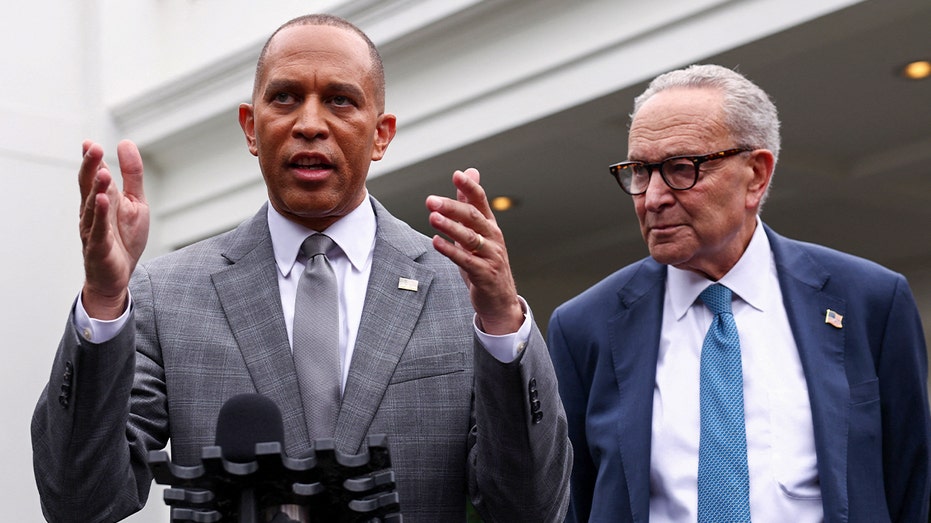
House and Senate Prepare for Leadership Elections Reshaping Congress
Internal elections in the House and Senate will determine new leadership, potentially altering the legislative agenda and party strategies.
The U.S. Congress is bracing for significant internal leadership elections in both the House of Representatives and the Senate, proceedings that could dramatically reshape the legislative landscape and the direction of policy for the coming years. These elections, typically held behind closed doors by party caucuses, will determine who holds the top leadership positions, influencing everything from committee assignments to the party's legislative priorities and national messaging.
The stakes are particularly high following recent electoral cycles, which have seen shifts in party control and internal party dynamics. The outcomes of these leadership contests will signal the dominant factions within each party and set the tone for inter-chamber relations and negotiations with the executive branch. The process allows members to elect their floor leaders, whips, and caucus chairs, roles that carry substantial power in guiding legislative strategy and party discipline.
Key races are expected in both chambers, with incumbent leaders facing potential challenges from ambitious colleagues. The results will not only affect the day-to-day operations of Congress but also have broader implications for the public's perception of each party's direction and its ability to govern effectively. Observers are closely watching for signs of ideological shifts or a consolidation of power by specific wings of the respective parties.
Looking ahead, the newly elected leaders will be tasked with navigating a complex political environment, characterized by deep partisan divisions and pressing national issues. Their ability to unite their caucuses, negotiate with the opposition, and advance their party's agenda will be crucial in the upcoming legislative sessions. The decisions made in these internal elections will echo throughout the halls of Congress and influence the nation's policy debates.
Historically, these leadership elections have been pivotal moments, often occurring after significant political events such as elections or major policy battles. The individuals chosen to lead often become the public face of their party in Congress, tasked with articulating its vision and defending its policies. The internal dynamics of these elections can reveal underlying tensions or consensus points within the party.
Reactions from various political stakeholders are anticipated following the announcements of the election results. While party members will largely rally behind their newly chosen leaders, outside groups and political analysts will scrutinize the outcomes for indications of future policy directions. The composition of leadership teams can signal shifts in a party's strategic approach, from legislative tactics to electoral outreach.
Comparisons to past leadership contests are inevitable, as analysts seek to understand whether the current environment signals a continuation of existing trends or a significant departure. The specific challenges faced by the current Congress, including economic pressures, international conflicts, and domestic policy debates, will likely inform the platforms and priorities of leadership candidates.
Several questions remain unanswered as the parties prepare for these crucial internal elections. The extent to which new leaders will embrace or depart from the strategies of their predecessors, the potential for bipartisan cooperation under new leadership, and the ultimate impact on legislative productivity are all points of considerable interest and speculation.
This article was written by AI based on publicly available news reporting. Original reporting by the linked source.