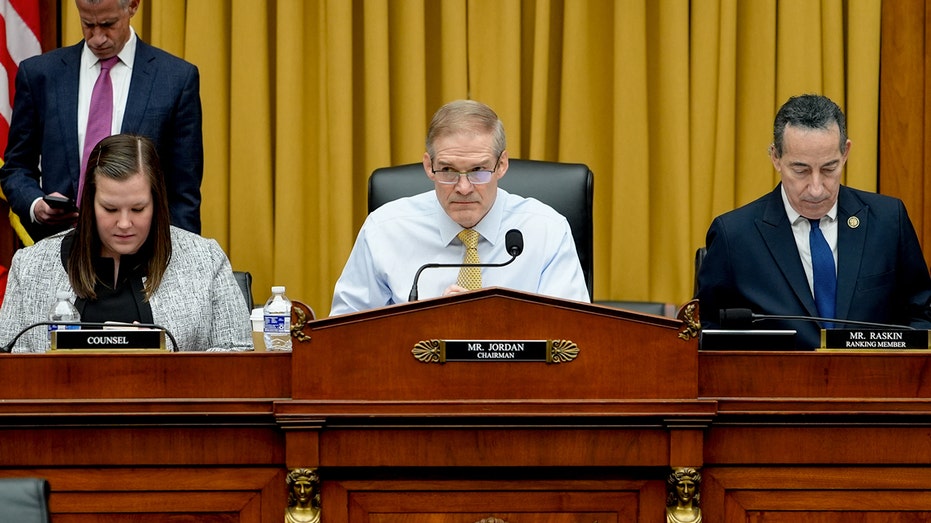
House Judiciary Report Accuses NFL of Abusing Antitrust Exemption
A scathing House Judiciary Committee report alleges the NFL has unlawfully stretched its limited antitrust exemption, impacting competition.
A new report from the House Judiciary Committee has sharply criticized the National Football League (NFL), accusing the organization of exploiting and overextending the limited antitrust exemption it holds under federal law. The report, released by the committee, details how the league has allegedly used this protection to stifle competition and maintain its dominant market position.
The NFL benefits from a unique antitrust exemption related to its broadcasting practices, a carve-out from standard antitrust laws that has been in place for decades. This exemption allows the league to collectively bargain media rights, a practice that has been crucial to its financial success and the growth of professional football into a national obsession. However, the committee's findings suggest the league has gone beyond the scope of this specific protection.
The report highlights concerns that the NFL has leveraged its exemption for activities far beyond media rights, potentially impacting areas such as stadium financing, labor negotiations, and franchise ownership rules. Critics argue that this broad interpretation of the exemption allows the league to operate with less scrutiny than other major industries, potentially at the expense of consumers and smaller businesses.
The implications of the report are significant, potentially opening the door for increased regulatory oversight or legal challenges against the NFL. Lawmakers have expressed a desire to ensure fair competition across all sectors of the economy, and the NFL's practices are now under a microscope. The committee's findings could influence future policy decisions regarding sports leagues and their unique legal standing.
This investigation by the House Judiciary Committee is not the first time the NFL's business practices have faced scrutiny. Throughout its history, the league has navigated numerous legal and regulatory challenges. However, this report represents a direct and forceful accusation from a key congressional oversight body, indicating a growing concern among lawmakers about the league's market power and its use of legal protections.
While the report does not propose specific legislative actions at this stage, it lays the groundwork for potential future interventions. The committee's focus on the "stretching" of the antitrust exemption suggests a belief that the league's interpretation of its legal protections has become overly broad. This could lead to calls for clarifying legislation or even antitrust lawsuits aimed at curbing the NFL's market dominance.
Experts in antitrust law have noted that such exemptions are rare and typically narrowly defined. The committee's report implies that the NFL may be operating in areas not intended to be covered by its specific antitrust shield. This could lead to a re-evaluation of the boundaries of the exemption and its application to the league's diverse business operations.
The NFL has historically defended its business model as essential for the sport's viability and growth, arguing that collective action benefits all stakeholders, including fans. The league's response to the committee's report is anticipated, as it will likely seek to defend its practices and reiterate the importance of its antitrust protections for the continued success of professional football.
This article was written by AI based on publicly available news reporting. Original reporting by the linked source.