House Passes Bill to End Daylight Saving Time, Senate Vote Looms
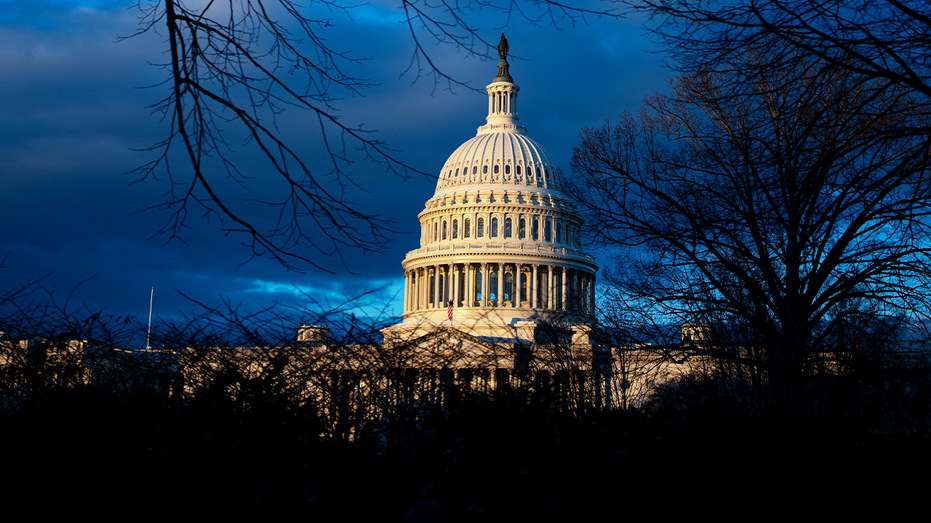
The U.S. House of Representatives voted to end Daylight Saving Time, sending the bill to the Senate for consideration.
The U.S. House of Representatives has passed a bill that would do away with the practice of Daylight Saving Time, marking a significant step towards potentially ending the biannual clock-changing ritual. The legislation now moves to the Senate, where its fate remains uncertain.
For decades, the United States has observed Daylight Saving Time, a practice implemented to make better use of daylight during warmer months. However, the tradition has faced increasing criticism in recent years, with opponents citing disruptions to sleep patterns, potential negative impacts on public health, and minimal energy savings.
The House's vote reflects a growing bipartisan sentiment that the current system is outdated and no longer serves its intended purpose. Proponents of the bill argue that eliminating the time change would provide greater consistency for Americans' daily lives and could alleviate some of the health concerns associated with the abrupt shifts.
With the bill now heading to the Senate, attention turns to whether lawmakers there will take up the measure. Previous attempts to abolish Daylight Saving Time have stalled in the Senate, highlighting the challenges in reaching a final consensus on the issue. The outcome will depend on further debate and negotiation among senators.
Supporters of permanent standard time often point to research suggesting that the disruption caused by the time changes can lead to increased heart attacks, strokes, and workplace injuries in the days following the spring and fall shifts. They argue that a consistent time year-round would offer greater stability for health and safety.
Conversely, those who favor permanent daylight saving time emphasize the benefits of extended daylight hours in the evening, particularly during the fall and winter months. They suggest this can boost outdoor recreation, retail sales, and potentially reduce traffic accidents by providing more light during commuting hours.
Historical context shows that Daylight Saving Time was first introduced in the U.S. during World War I and again during World War II, primarily as an energy-saving measure. While the energy savings have been debated and often found to be negligible in modern times, the tradition has persisted.
The current legislative push underscores a broader national conversation about how time is observed and its impact on various aspects of American life, from health and safety to economic activity. The Senate's decision will ultimately determine whether the nation moves closer to a permanent end to the practice of changing clocks twice a year.
This article was written by AI based on publicly available news reporting. Original reporting by the linked source.