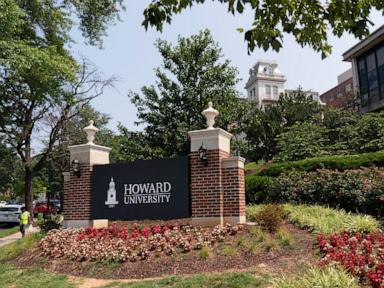
Howard President Reinstates 200+ Students Amid Backlash Over Unenrollment
Howard University reinstated over 200 students after unenrolling more than 500, citing tuition deadlines. The president defended the decision.
Howard University has reinstated more than 200 incoming first-year students who were previously unenrolled due to missed tuition and financial-aid deadlines. The university faced significant backlash after unenrolling over 500 students. Interim President Wayne A.I. Frederick stated that the university reviewed all 502 affected students.
The decision to unenroll students gained national attention, prompting a defense from the university's leadership. Frederick explained in an interview with ABC News Live that students were re-enrolled if they could provide documentation of external scholarships or remit payment, even if late. This move comes after widespread criticism from students and their families regarding the communication and handling of the enrollment process.
Frederick indicated that most, if not all, enrollment decisions for the 502 students have now been finalized. He clarified that overenrollment or housing capacity was not a factor, as all unenrolled students had been assigned housing. The university's stance is that enforcing payment deadlines is crucial to prevent students from accumulating debt without completing their degrees, referencing Howard's graduation rate of under 70%.
"We really are trying to do our best to make sure that when students start, they can finish," Frederick said, emphasizing the proactive approach to avoid students leaving with debt and no degree. The university aims to ensure students are in a financial position to complete their studies, viewing the deadline adherence as a key component of this strategy.
Some students, however, reported feeling blindsided and criticized the university's communication. One 19-year-old student from Missouri, Dwayne Irvin, shared that he was instructed by the financial aid office to delay enrolling in a payment plan until outside scholarships were deposited. He stated he received an unenrollment email just a week after following this advice, feeling the communication was unclear and contradictory.
While Frederick acknowledged the possibility of improving communication, he defended the university's underlying actions. He pointed out that over 2,200 students successfully navigated the process by adhering to the established policies and procedures.
The situation highlights a tension between university financial policies and student expectations, particularly concerning communication about deadlines and financial aid processes. The university's decision to reinstate a significant number of students suggests a response to the intense public scrutiny and potentially a review of its outreach methods.
As the university moves forward, the focus will likely remain on how it balances its financial requirements with supporting students through the enrollment process. The case also raises broader questions about institutional communication strategies and the impact of financial pressures on access to higher education.
This article was written by AI based on publicly available news reporting. Original reporting by the linked source.