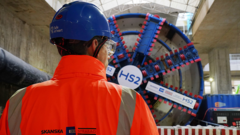
HS2 Cost Soars to £102.7bn, Trains to Run Slower Than Planned
UK's HS2 rail project faces massive cost increase to £102.7bn and delayed opening, with slower train speeds.
The High Speed 2 (HS2) rail project in the United Kingdom could now cost as much as £102.7 billion, according to an announcement by the transport secretary. This significant escalation in expenses comes alongside a revised timeline that pushes train services to begin between 2036 and 2039, several years later than previously targeted.
In a bid to manage costs, the top speed of HS2 trains will be reduced from the originally planned 360 km/h (224 mph) to 320 km/h (199 mph). This recalibration of the ambitious infrastructure project, which has already faced delays and budget overruns, is part of a broader effort to reset its course.
As of March 2026, a substantial £44.2 billion has already been invested in the HS2 programme. The transport secretary stated that the government inherited "a litany of failure" from the previous administration, describing HS2 as having become "a signal of the country's decline" rather than ambition.
The revised cost range for HS2 is now estimated to be between £87.7 billion and £102.7 billion, calculated at 2025 prices. When adjusted to 2019 prices, this represents a doubling of the cost range set by the previous government. The transport secretary acknowledged the "obscene increase in time and costs," expressing personal frustration.
Originally, HS2 was planned to extend to Manchester and Leeds, but these sections were cancelled by former Conservative prime ministers. The current iteration of the project is focused on a route from London to Birmingham. The government maintains its commitment to completing the line, arguing that the cost of cancellation would be comparable to finishing it, without yielding any benefits.
According to the government, approximately two-thirds of the cost increase is attributed to underestimations by the previous government, inefficient project delivery, and scope changes. Inflation accounts for the remaining one-third of the rise in expenses.
The decision to lower train speeds aligns HS2 with current high-speed rail standards in Europe and Japan. Officials suggest this adjustment could save up to £2.5 billion and potentially accelerate the project's delivery by a year. The initial services are slated to run between Old Oak Common in west London and Birmingham Curzon Street.
Questions remain about the long-term economic viability and public acceptance of the project given its escalating costs and extended timeline. Further details on the phased implementation and final completion dates are anticipated as the project undergoes its reset.
This article was written by AI based on publicly available news reporting. Original reporting by the linked source.