Hungary Faces Critical Five Days as Danube Drought Shuts Nuclear Plant
Hungary's sole nuclear power plant faces shutdown due to record-low Danube water levels, with the Prime Minister warning of critical days ahead.
Hungary's Prime Minister Viktor Orbán has warned the nation is entering its "most critical five days ahead" as its sole nuclear power plant, Paks, is expected to be shut down this week. The shutdown is necessitated by historically low water levels in the River Danube, the plant's primary cooling source.
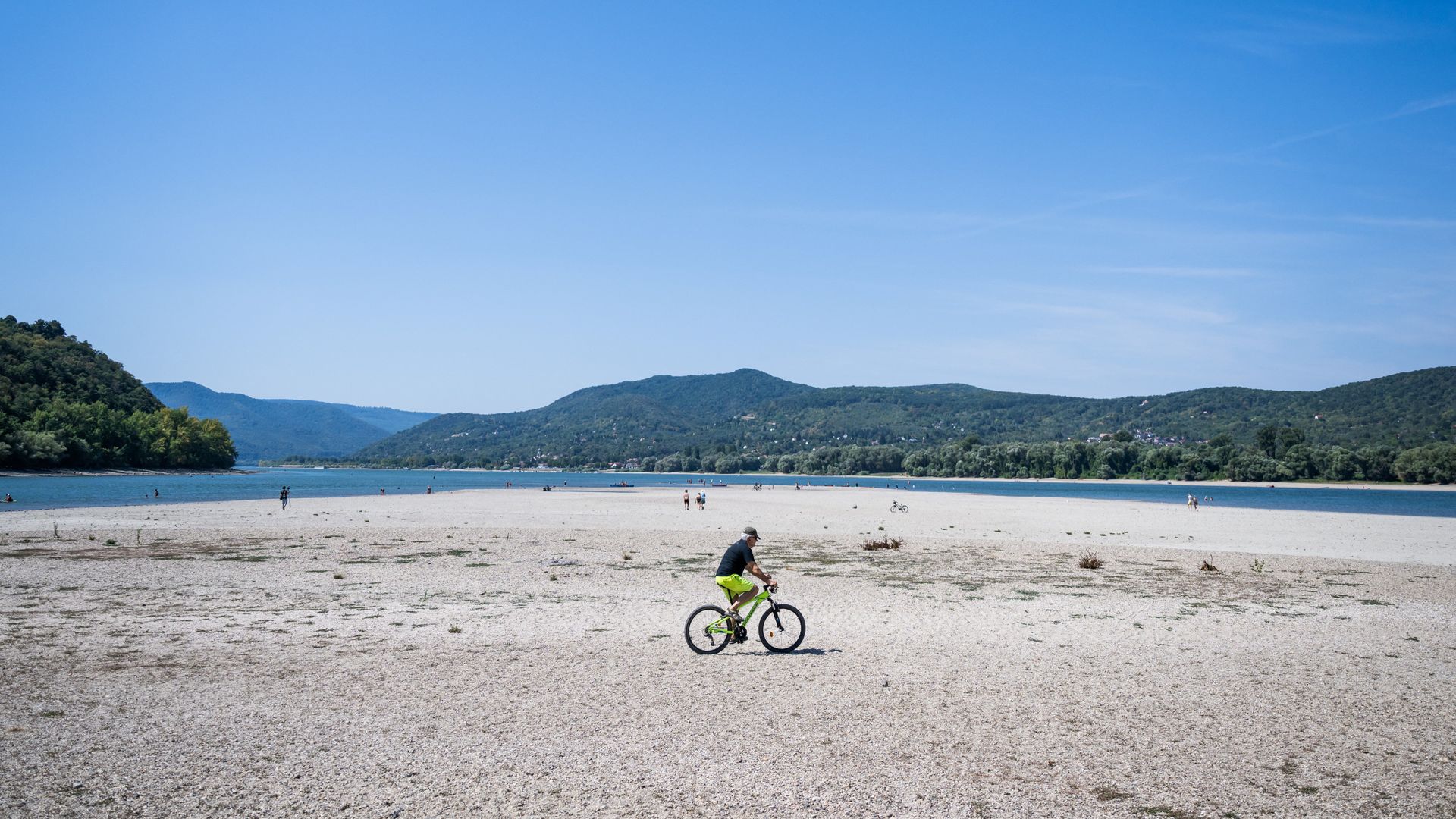
The Paks Nuclear Power Plant, located approximately 100 kilometers south of Budapest, relies on the Danube for the massive volumes of water required to cool its reactors. Prolonged heatwaves and a lack of rainfall have led to the river's water levels plummeting to record lows, raising concerns about the plant's operational safety and capacity to maintain adequate cooling.
While the exact timing of the shutdown was not specified, authorities indicated it would occur imminently. The plant currently provides a significant portion of Hungary's electricity, with its two reactors generating around 50% of the country's domestic power production. The impending shutdown is therefore expected to have a substantial impact on the national energy supply.
The implications of this shutdown extend beyond immediate energy security. Hungary, like many European nations, is grappling with rising energy costs and concerns about supply stability amid geopolitical tensions. The temporary loss of nuclear power will likely increase reliance on other energy sources, potentially leading to higher electricity prices for consumers and businesses.
This event highlights the vulnerability of critical infrastructure to climate change and extreme weather events. The Paks plant, commissioned in the early 1980s, has been a cornerstone of Hungary's energy independence. However, its reliance on a natural water source that is now severely diminished presents a significant operational challenge.
Officials have stated that contingency plans are in place to manage the shortfall in electricity generation. However, the duration of the shutdown remains uncertain, contingent on the recovery of the Danube's water levels. Experts have noted that such events underscore the need for diversified energy portfolios and robust adaptation strategies for climate-related risks.
Discussions about the future of the Paks plant, including plans for its expansion with two new Russian-built reactors, have been ongoing. However, such long-term projects may need to consider the increasing frequency of extreme weather phenomena impacting water resources.
As Hungary navigates these "critical five days," the focus will be on maintaining grid stability, ensuring energy affordability, and reassessing the long-term resilience of its energy infrastructure in the face of a changing climate.
This article was written by AI based on publicly available news reporting. Original reporting by the linked source.