Hungary, Poland Cite French Riots to Justify Strict Immigration Policies
Hungary and Poland are using recent riots in France to defend their hardline immigration stances, warning against what they call uncontrolled migration.
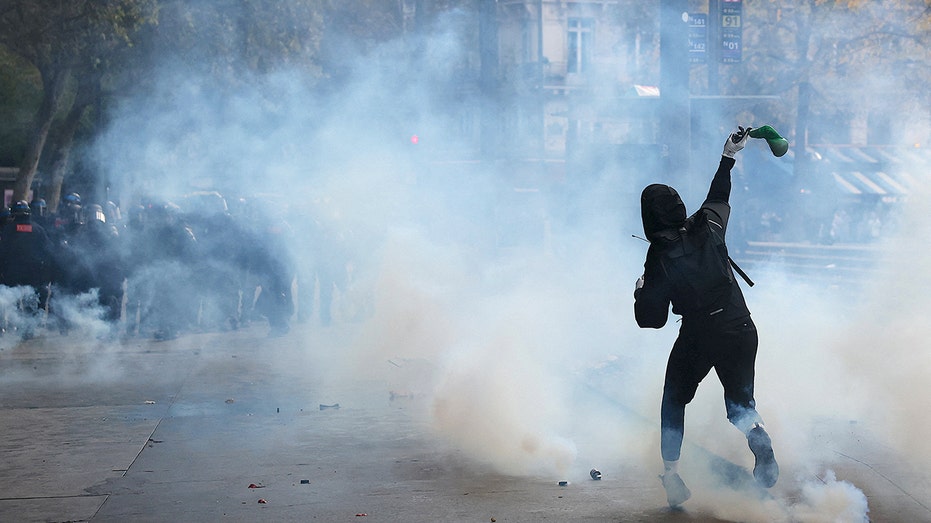
Hungary and Poland have pointed to the recent violent unrest in France as justification for their stringent immigration policies. Both nations, often at odds with the European Union over migration, argue that the events in France demonstrate the dangers of what they describe as uncontrolled and unassimilated immigration.
The governments in Budapest and Warsaw have long advocated for strict border controls and limited asylum for migrants, framing their approach as essential for maintaining national security and cultural cohesion. The riots, which erupted across France following the police shooting of a teenager, have provided them with what they perceive as further evidence to support their position.
Officials in both countries have publicly stated that the unrest highlights the potential for social friction when large numbers of migrants are integrated into European societies. They suggest that France's more liberal immigration approach has led to parallel societies and a breakdown of order, a scenario they are determined to avoid.
These remarks come at a time when the EU continues to grapple with internal divisions over migration policy. Hungary and Poland have been vocal critics of mandatory relocation quotas for asylum seekers and have consistently pushed for stronger external border enforcement. The situation in France is likely to embolden their stance in future EU debates.
Critics of Hungary and Poland's policies often argue that they are discriminatory and violate European values of solidarity and humanitarianism. They contend that the two nations are using isolated incidents or specific demographic challenges to justify broader xenophobic sentiment and to avoid their share of responsibility in managing asylum seekers across the bloc.
European leaders have expressed concern over the riots in France, with many condemning the violence. However, the specific framing by Hungary and Poland suggests a deeper political strategy, using external events to reinforce their domestic narratives and international negotiating positions regarding migration. The impact of these riots on the broader EU migration debate remains to be seen, but it has certainly provided ammunition for countries advocating for stricter measures.
Both Hungary and Poland have implemented a series of measures aimed at curbing immigration, including building border fences and tightening asylum laws. These policies have previously drawn criticism from human rights organizations and EU institutions, but the governments maintain they are necessary for national security.
As France works to restore order and address the underlying causes of the unrest, the political discourse in neighboring countries like Hungary and Poland is likely to continue leveraging these events to advocate for their own distinct approaches to immigration and border security.
This article was written by AI based on publicly available news reporting. Original reporting by the linked source.