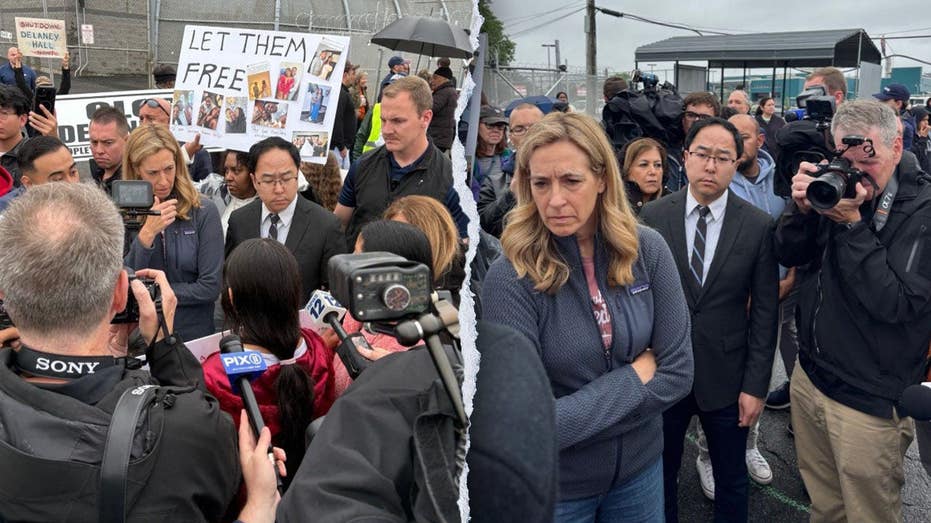
ICE Under Fire for Substandard Conditions at for-Profit NJ Detention Center
ICE faces criticism over alleged inhumane conditions and lack of medical care at a for-profit detention center in New Jersey.
U.S. Immigration and Customs Enforcement (ICE) is facing renewed scrutiny over the living conditions at a for-profit detention facility in New Jersey. Reports have surfaced detailing alleged substandard conditions and inadequate medical care provided to detainees, raising significant concerns among immigrant advocates and civil liberties groups.
The facility, operated by a private contractor, has been a focal point for criticism regarding the treatment of individuals in immigration detention. Advocates claim that the center fails to meet basic standards for humane treatment, citing issues such as overcrowding, unsanitary environments, and insufficient access to essential services, particularly healthcare.
These allegations come at a time when ICE facilities nationwide are under increasing pressure and examination. Critics point to a pattern of neglect and disregard for the well-being of detainees, arguing that the profit-driven nature of private detention centers incentivizes cost-cutting at the expense of human rights and safety.
The implications of these ongoing concerns are significant, potentially leading to further legal challenges, increased oversight, and renewed calls for reform within the immigration detention system. The findings could also influence policy decisions regarding the use of private detention facilities.
Immigrant rights organizations have been vocal in their condemnation of the reported conditions. They argue that the lack of adequate medical attention can exacerbate existing health issues and lead to new ones, creating a cycle of suffering for vulnerable individuals. These groups have called for immediate investigations and improvements to ensure that all detainees are treated with dignity and respect.
ICE has previously stated its commitment to ensuring the safety and humane treatment of all detainees in its custody, emphasizing that facilities are expected to meet or exceed performance-based national detention standards. However, the persistent nature of the complaints suggests a gap between stated policy and on-the-ground realities.
Details emerging from the New Jersey center include allegations of insufficient staffing, limited recreational opportunities, and delays in processing medical requests. These issues collectively contribute to an environment that advocates describe as detrimental to the physical and mental health of those detained.
As these reports gain traction, the debate over the privatization of immigration detention centers is likely to intensify. Questions remain about ICE's oversight mechanisms and the effectiveness of its contractual agreements in ensuring proper care and upholding human rights standards within these facilities.
This article was written by AI based on publicly available news reporting. Original reporting by the linked source.