Iceland Votes on Resuming EU Membership Talks Amid Tight Referendum
Icelanders vote in a referendum on resuming European Union membership talks, years after initial discussions stalled.
Iceland is currently counting votes in a national referendum that will determine whether the country will resume talks to join the European Union. The vote comes years after initial discussions on membership were stalled, leaving the nation's future relationship with the bloc uncertain.
The referendum represents a significant moment for Iceland, a country that has historically maintained a complex relationship with the EU. While not a member, Iceland has close ties through the European Economic Area (EEA) agreement, which grants it access to the EU's single market. However, the terms of the EEA have been a source of debate, with some arguing for full membership as a path to greater economic and political integration.
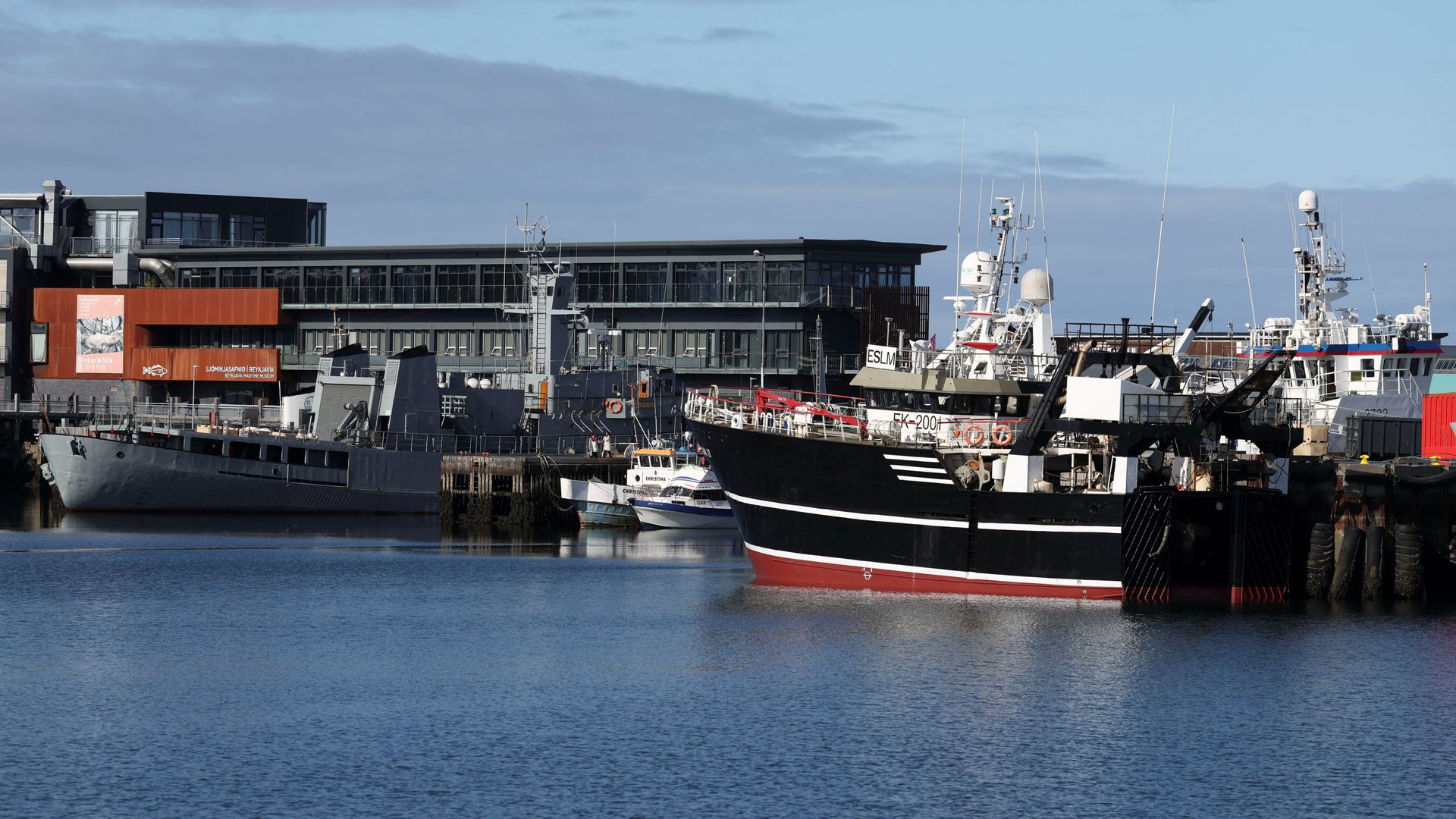
The outcome of the vote is expected to be close, reflecting a divided public opinion on the matter. Proponents of EU membership often cite potential economic benefits, such as increased trade and investment, as well as enhanced security and influence on the international stage. Conversely, opponents raise concerns about sovereignty, the potential impact on Iceland's fishing industry, and the loss of control over national policy.
If the referendum results in a 'yes' vote, the Icelandic government will likely be empowered to formally initiate discussions with the European Union regarding accession. This would mark the beginning of a potentially lengthy and complex negotiation process, involving detailed discussions on various policy areas, from agriculture to foreign affairs. The specific terms and conditions of any potential membership would be subject to negotiation and eventual ratification.
Historically, Iceland's journey towards potential EU membership has been a winding one. The country first applied for membership in 2009 amidst an economic crisis, but the process was later suspended. Public opinion has fluctuated significantly over the years, influenced by domestic economic conditions and broader European political trends. The current referendum is seen by many as a renewed opportunity to settle the long-standing debate.
Supporters of resuming talks emphasize the need for Iceland to adapt to evolving geopolitical landscapes and to secure its economic future in an increasingly interconnected world. They point to the benefits enjoyed by other Nordic countries that are EU members, such as increased cooperation and a stronger collective voice in global affairs.
However, those who advocate for maintaining Iceland's current status highlight the advantages of its existing relationship with the EU through the EEA. They argue that Iceland retains a high degree of autonomy and can tailor its policies to suit its unique national interests, particularly concerning its vital fishing resources and a distinct cultural identity.
The implications of the vote extend beyond mere accession talks. The result will likely shape Iceland's foreign policy, economic strategy, and its role within the broader European framework for years to come, regardless of whether membership is ultimately pursued or achieved.
This article was written by AI based on publicly available news reporting. Original reporting by the linked source.