India Detains 'Cockroach' Movement Founder, Hundreds in Protest Crackdown
Police detained the founder of India's 'Cockroach' movement and hundreds of protesters, halting a major demonstration.
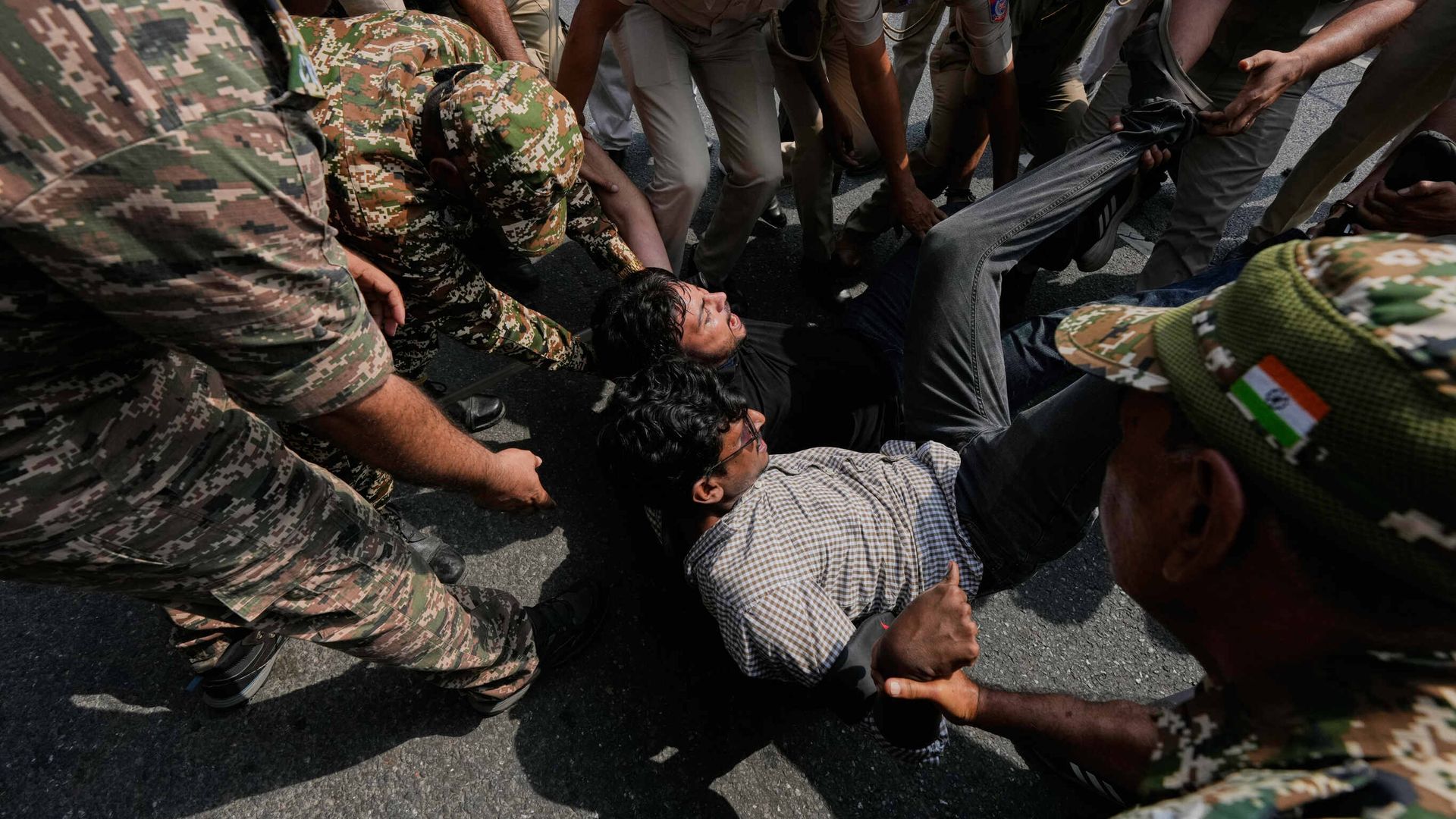
Police in India have detained the founder of the "Cockroach" movement and hundreds of other demonstrators in a significant crackdown aimed at preventing a large-scale protest. The detentions occurred as organizers prepared to launch a major demonstration, the specifics of which were not detailed.
The "Cockroach" movement, known for its grassroots activism and often disruptive tactics, has been a prominent voice in various social and political issues within India. Its founder's detention signals a serious effort by authorities to control public dissent and prevent potential disruptions.
Details regarding the exact number of individuals detained and the specific charges, if any, remain scarce. However, the scale of the detentions suggests a coordinated effort to dismantle the planned protest before it could gain momentum. Reports indicate that the detentions took place in various locations, suggesting a widespread police operation.
The implications of this crackdown are significant, potentially stifling public expression and raising concerns about civil liberties. It also highlights the government's approach to managing large-scale public gatherings and protests, particularly those organized by groups perceived as challenging the status quo.
While the specific goals of the planned demonstration were not fully disclosed in the provided material, the "Cockroach" movement has historically engaged in protests related to issues such as economic inequality, environmental concerns, and governance. The group's moniker, "Cockroach," is often interpreted as a symbol of resilience and persistence in the face of adversity.
Authorities have not yet issued a comprehensive statement regarding the detentions or the justification for the crackdown. However, such actions are typically taken to maintain public order, prevent potential violence, or address concerns about the legality of planned gatherings.
The detention of prominent movement leaders often serves as a tactic to demoralize and disperse protesters. The effectiveness and long-term impact of this strategy will likely depend on the group's ability to regroup and the broader public's reaction to the crackdown.
This incident raises questions about the space for dissent and protest in India and how authorities balance security concerns with the fundamental right to assembly. Further developments are anticipated as the situation unfolds.
This article was written by AI based on publicly available news reporting. Original reporting by the linked source.