Trump says 'I love the inflation' as prices surge 4.2%
President Trump expressed fondness for inflation, citing positive numbers, even as a report showed the fastest price hikes in three years.
Inflation in May surged to its highest rate in three years, reaching 4.2% year-over-year, according to data released by the U.S. Bureau of Labor Statistics on Wednesday. This marks the third consecutive month of rising prices, largely driven by disruptions from the ongoing Iran war.
Amidst the release of the concerning economic figures, President Donald Trump offered an unexpected reaction, stating in the Oval Office, "No, I love it. The numbers were great. You know what I really love? I love the inflation." He suggested that prices would stabilize and fall once the conflict in the Middle East concludes.
The conflict, which led to Iran closing the Strait of Hormuz, has caused a significant oil shock, impacting global supply. Energy prices, a key component of the consumer price index, saw a substantial increase of 23.5% in May compared to the previous year. The average price of gasoline has climbed nearly 40% since the war began on February 28, reaching $4.15 per gallon.
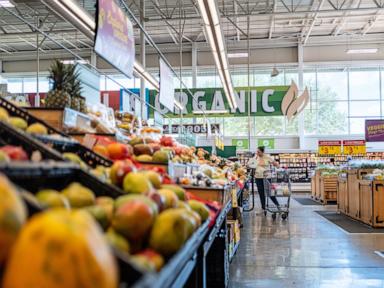
This rise in fuel costs has had a ripple effect across other sectors, notably impacting grocery prices. Diesel fuel, essential for transportation and logistics in the food supply chain, has become more expensive. Consequently, prices for items like tomatoes have jumped 32% year-over-year, while beef and veal prices increased by nearly 13% and seafood by 6.5% in May.
White House spokesperson Kush Desai acknowledged the "temporary disruptions" caused by the war but framed the overall report as a positive for the administration. Desai highlighted that prices for prescription drugs, dairy, cars, and insurance have declined, attributing these drops to "the Trump administration's policymaking" and its "affordability agenda."
Economists have noted that the persistent increase in consumer prices could put pressure on the Federal Reserve to consider raising interest rates to curb inflation. However, President Trump has consistently expressed his belief that energy prices, a major driver of the current inflation, will decrease rapidly once the Iran war is resolved.
The U.S. Bureau of Labor Statistics data indicated that prices rose 0.5% from the previous month, aligning with economists' expectations. The administration's focus remains on addressing affordability, with a stated commitment to enabling Americans to retain more of their earnings.
While the administration points to specific areas of price decrease, the broader inflationary trend, particularly in energy and food, continues to be a significant concern for consumers nationwide, contributing to widespread economic anxiety.
This article was written by AI based on publicly available news reporting. Original reporting by the linked source.