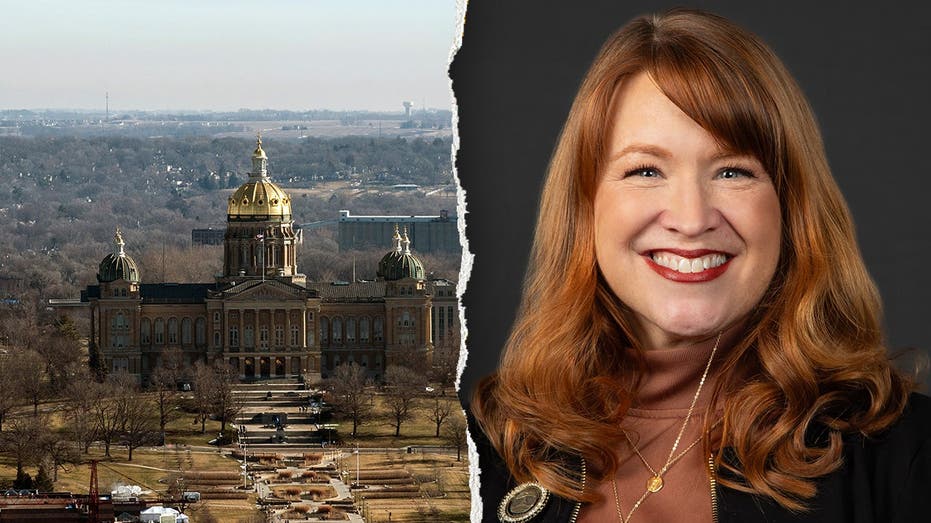
Iowa Lawmaker Missed Over Half of House Votes While Running for Congress
Iowa state Representative Lindsay James's voting record shows she missed more than 50% of votes in 2025 due to her congressional campaign.
Iowa State Representative Lindsay James missed more than half of the votes cast in the state House during 2025, a period coinciding with her active campaign for a U.S. Congressional seat. Records indicate that James was absent for a significant portion of legislative sessions while she sought to represent Iowa's 3rd Congressional District.
The voting absences have drawn criticism from Republican opponents, who argue that elected officials should prioritize their legislative duties. The revelation highlights a potential conflict between campaigning for higher office and fulfilling the responsibilities of a current elected position.
During the 2025 legislative year, James was recorded as present for fewer than 50% of the votes. This pattern of absence raised questions among her constituents and political rivals about her commitment to her role as a state representative. Republicans have pointed to these missed votes as evidence of her divided attention.
James's campaign for Congress aimed to unseat incumbent Republican Zach Nunn. Her campaign platform reportedly emphasized a strong work ethic. The discrepancy between her stated values and her legislative attendance record has become a focal point for political discourse in the district.
While campaigning for higher office is a common pursuit for elected officials, the extent of James's absences has become a notable issue. The state legislature operates on a schedule that requires consistent participation for effective governance and representation of constituents' interests.
Critics suggest that a legislator who misses a majority of votes is not adequately serving the people who elected them. They argue that these absences could impact the legislative process, potentially leading to votes on bills without full representation from all elected officials.
Supporters might argue that campaigning for a more prominent office is a necessary step in public service and that her focus on a broader constituency aligns with her long-term goals. However, the immediate impact on her current legislative duties remains a point of contention.
The situation raises broader questions about the balance between political ambition and the responsibilities of holding public office. It underscores the scrutiny that elected officials face regarding their attendance and participation in their current roles while pursuing new opportunities.
This article was written by AI based on publicly available news reporting. Original reporting by the linked source.