Iran Claims Missile Attack on US Airbase in Iraq
Iran's Revolutionary Guard announced a missile attack targeting an airbase in Iraq housing US forces, escalating regional tensions.
Iran's Islamic Revolutionary Guard Corps (IRGC) claimed responsibility for a missile attack launched against an airbase in Iraq that hosts U.S. forces. The announcement came amid heightened tensions in the Middle East, with the IRGC stating the strike was in retaliation for the killing of Qassem Soleimani, a top Iranian general, by a U.S. drone strike in Baghdad.
The IRGC's aerospace force reportedly fired "tens of missiles" at the Ain al-Asad airbase in Anbar province, western Iraq. This facility has been a key staging ground for the U.S.-led coalition against the Islamic State group and has hosted American troops for years. The timing of the attack follows Soleimani's death, an event that significantly escalated hostilities between Iran and the United States.
Details regarding casualties or damage at the airbase remain unclear in the immediate aftermath of the reported strikes. U.S. officials have acknowledged that an attack occurred, but have not yet provided specifics on the extent of any damage or confirmed whether any American personnel were harmed. The situation is being closely monitored by international observers concerned about a broader conflict.
This direct military action by Iran marks a significant escalation in the ongoing confrontation with the U.S. It represents a departure from Iran's previous strategy of relying on proxy forces to conduct attacks against U.S. interests in the region. The implications of this strike are far-reaching, potentially drawing the U.S. into a more direct and sustained conflict.
The IRGC's statement emphasized that this was only the "first" action and warned against any further U.S. "miscalculations." This suggests a readiness for continued military engagement should the U.S. respond in a way that Iran deems provocative. The missile attack also serves to rally domestic support within Iran and project strength to regional adversaries.
Experts have expressed concern that the strike could trigger a wider regional war, drawing in various international actors. The retaliatory nature of the attack, directly targeting a U.S. military installation, indicates a willingness by Iran to engage in direct confrontation, a move that carries substantial risks.
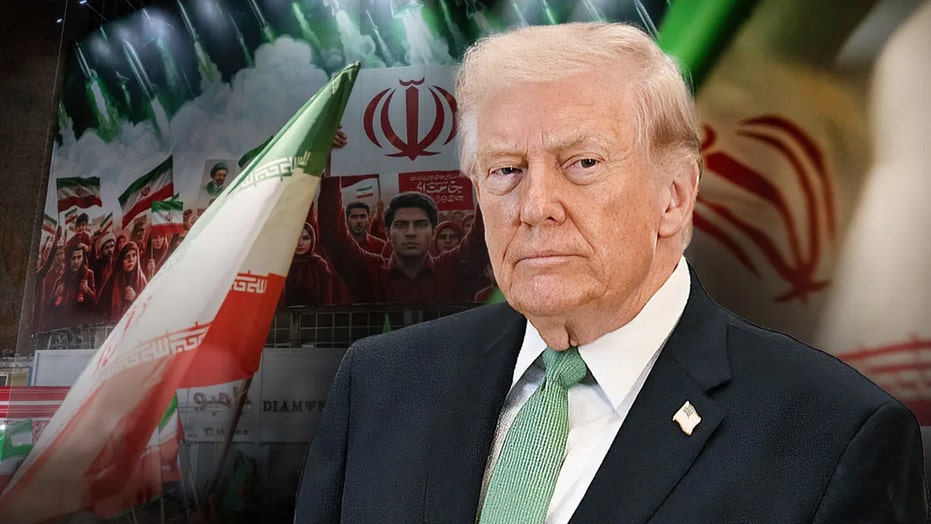
U.S. President Donald Trump has been briefed on the situation, and the White House has stated that it is assessing the damage and its response options. The international community is calling for de-escalation, with many nations urging restraint from both sides to prevent a further spiral of violence.
Questions remain about the specific types of missiles used, their accuracy, and the effectiveness of the base's defenses. The coming days will be critical in determining the trajectory of the U.S.-Iran relationship and the stability of the Middle East, as both nations weigh their next moves.
This article was written by AI based on publicly available news reporting. Original reporting by the linked source.