Iran denies US talks, citing Oman negotiations on Strait of Hormuz
Iran's Foreign Ministry stated no negotiations with the US are ongoing, only discussions with Oman regarding Strait of Hormuz traffic.
Iran's Foreign Ministry spokesperson, Esmaeil Baghaei, announced Monday that the country is not engaged in any ongoing negotiations with the United States. Baghaei clarified that discussions are exclusively with Oman, focusing on establishing arrangements for safe shipping traffic through the strategic Strait of Hormuz.
The statement comes amid a period of continued exchanges of strikes between the U.S. and Iran, with the Strait of Hormuz serving as a primary point of conflict. President Donald Trump had announced major combat operations against Iran on February 28, following a memorandum of understanding signed by both nations aimed at a war-ending deal.
Baghaei indicated that the negotiations with Oman have yielded progress, with both sides exchanging views on common principles and operational mechanisms for managing the vital waterway. He stressed that these discussions aim to ensure safe shipping while respecting the sovereign rights of the two coastal states. The Omani delegation concluded its visit to Tehran on Saturday, though technical and political consultations are set to continue.
Tehran maintains a firm stance on its defense capabilities, with Baghaei asserting that Iran will not permit the U.S. to dictate the terms of war and peace. He added that Iran will defend itself for as long as necessary, according to a readout from the semi-official Tasnim News Agency.
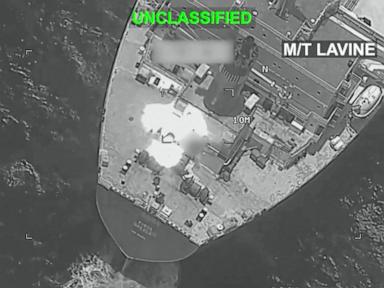
This diplomatic clarification follows recent events, including U.S. Central Command footage released on July 25, depicting operations enforcing a naval blockade against Iran. The ongoing tensions underscore the volatile situation in the region.
Meanwhile, Jordan's armed forces reported shooting down two drones on Monday morning after they breached Jordanian airspace from Iranian territory. The Israel Defense Forces also reported intercepting two unmanned aircraft near the Jordanian border, though their exact origin is under investigation.
These incidents highlight the persistent security challenges and the ongoing need for de-escalation and clear communication between regional actors and international powers. The focus on the Strait of Hormuz, a critical chokepoint for global oil supplies, remains a central concern.
The situation remains fluid, with continued military activities and diplomatic maneuvering shaping the geopolitical landscape in the region.
This article was written by AI based on publicly available news reporting. Original reporting by the linked source.