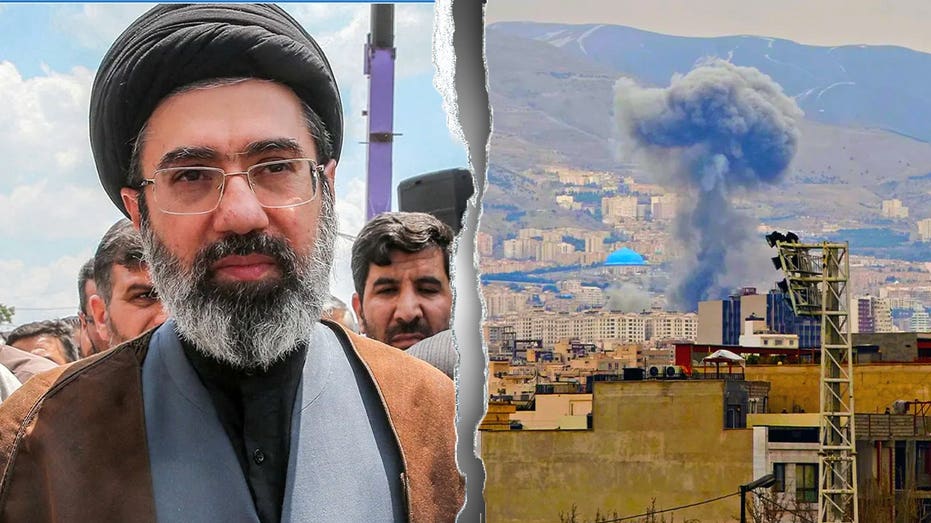
Iran Misses Nuclear Deal Deadline, Strait of Hormuz Remains Blocked
Iran failed to reach a nuclear deal with the US as a deadline passed, with the Strait of Hormuz remaining blocked.
Iran has missed a critical deadline for reaching a nuclear deal with the United States, a development that comes as the vital Strait of Hormuz remains blocked. The failure to secure an agreement leaves international diplomatic efforts in limbo and raises concerns about escalating tensions in the region.
Negotiations between Iran and the U.S. have been ongoing, aiming to revive a previous nuclear accord that would limit Iran's uranium enrichment activities in exchange for sanctions relief. The deadline's passing signifies a significant setback for these diplomatic endeavors, with no clear path forward immediately apparent.
Sources close to the discussions indicated that key sticking points persisted, preventing a breakthrough. The continued blockage of the Strait of Hormuz, a crucial chokepoint for global oil shipments, further exacerbates the situation. This maritime disruption has already impacted global energy markets and raised fears of wider conflict.
Former President Donald Trump commented on the situation, calling for Iran to offer a "white flag of surrender." This statement reflects the hardline stance taken by some U.S. political figures, suggesting a potential shift away from a negotiated settlement towards increased pressure on Iran.
The failure to reach a deal is likely to have significant geopolitical ramifications. It could lead to renewed international sanctions against Iran and potentially embolden hardliners within the Iranian government who oppose concessions. The Biden administration has been seeking to rejoin the Joint Comprehensive Plan of Action (JCPOA), but the recent developments cast doubt on its feasibility.
Analysts suggest that Iran may be using the Strait of Hormuz as leverage in the nuclear negotiations. By controlling access to this vital waterway, Tehran could be attempting to exert pressure on the international community to meet its demands. The economic impact of the blocked strait is considerable, affecting oil prices and supply chains worldwide.
Past attempts to resolve the nuclear issue have been fraught with challenges. The original JCPOA, agreed upon in 2015, was a landmark achievement but was later abandoned by the Trump administration in 2018. The subsequent period saw heightened tensions and a series of incidents involving Iran and international forces in the Persian Gulf.
With the deadline now passed and the Strait of Hormuz still obstructed, the international community faces a complex and potentially volatile situation. The coming days and weeks will be crucial in determining the next steps, with the possibility of increased diplomatic pressure, further sanctions, or a dangerous escalation of military tensions.
This article was written by AI based on publicly available news reporting. Original reporting by the linked source.