Iran peace deal a 'work in progress,' Secretary of State Rubio states
Secretary of State Marco Rubio called the Iran peace deal a 'work in progress' but expressed confidence in opening shipping lanes.
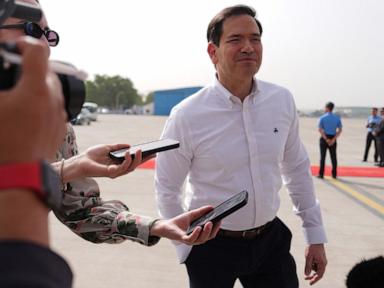
Secretary of State Marco Rubio stated on May 25, 2026, that a potential peace deal between the U.S. and Iran remains a "work in progress." Speaking to journalists before departing New Delhi for Agra, India, Rubio tempered expectations for an immediate resolution to the conflict.
President Donald Trump had previously announced major combat operations against Iran on February 28, 2026, involving joint U.S.-Israeli strikes. Following an initial two-week ceasefire, U.S.-Iran talks in Pakistan in April did not result in a peace agreement. The ceasefire was later extended indefinitely, and a U.S. naval blockade maintained until negotiations conclude.
Rubio indicated that while a comprehensive deal is not yet finalized, there is a "pretty solid thing on the table" regarding Iran's commitment to opening the Strait of Hormuz. He expressed optimism that this would lead to "very real, significant, time-limited negotiation on the nuclear matters."
A senior administration official separately confirmed on Sunday morning that the U.S. and Iran are making progress toward a two-step interim agreement. This deal would reportedly include a commitment from Iran to negotiate the removal of its enriched uranium stockpile. The interim agreement also encompasses the immediate opening of the Strait of Hormuz and the end of the U.S. naval blockade, though questions persist about the disposal of radioactive materials.
Rubio attributed the delays in negotiations to the "Iranian system." He also addressed the situation in Lebanon, where Israeli strikes and Hezbollah attacks continue despite a ceasefire. Rubio stated that the U.S. delegation is pursuing a separate agreement for Lebanon, which has entered a 45-day ceasefire with weekly meetings and daily engagements between the Lebanese government and Israel.
However, Rubio identified Hezbollah as the primary obstacle to peace in Lebanon, stating, "As long as an armed Hezbollah exists, it's going to be hard to achieve peace in Lebanon." He also asserted Israel's right to self-defense and to prevent strikes originating from Lebanon, noting that this right would be understood throughout and beyond the current ceasefire period.
The conflict began with widespread strikes targeting Iranian military, government, and infrastructure sites. The subsequent ceasefire and ongoing negotiations aim to de-escalate tensions and address key security concerns, including maritime traffic in the Strait of Hormuz and Iran's nuclear program.
Unresolved questions remain regarding the specifics of the uranium stockpile disposal and the long-term implications for regional stability, particularly concerning the role of non-state actors like Hezbollah.
This article was written by AI based on publicly available news reporting. Original reporting by the linked source.