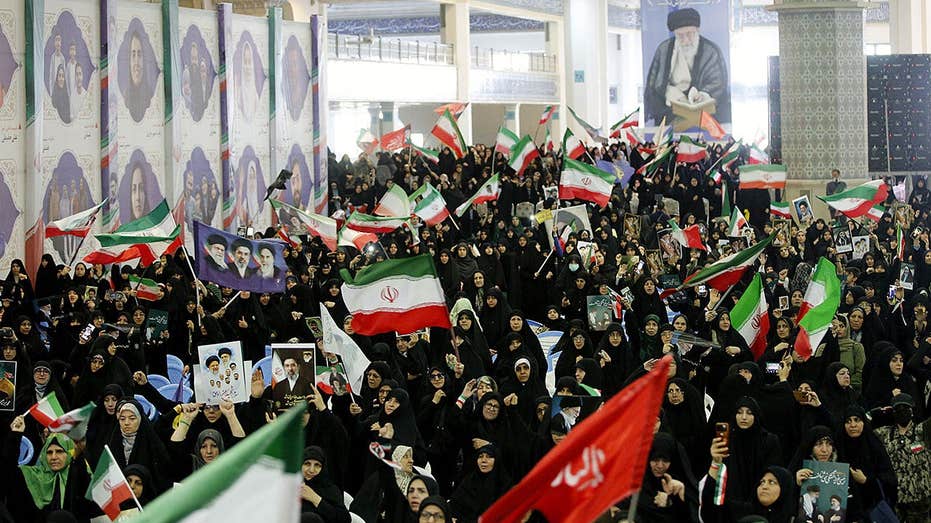
Iranian regime critic warns Trump deal could be 'lifeline' for Iran
An advisor to Saudi Crown Prince Mohammed bin Salman warned a Trump deal with Iran could embolden the regime, stating the Iranian people are 'nervous'.
A key advisor to Saudi Crown Prince Mohammed bin Salman has voiced concerns that any potential deal between former President Donald Trump and Iran could inadvertently provide a critical "lifeline" to the Iranian regime.
Speaking anonymously to Fox News, the advisor, who holds a prominent position within the Saudi government, indicated that the Iranian populace is experiencing significant anxiety regarding the prospect of such an agreement. This sentiment suggests a deep-seated apprehension among ordinary Iranians that a diplomatic breakthrough, particularly one brokered by Trump, might stabilize the current leadership rather than foster meaningful change.
The advisor's remarks highlight a geopolitical perspective that views a rapprochement with Iran, especially under Trump's unconventional diplomatic approach, as potentially counterproductive to efforts aimed at curbing the regime's influence and activities. The implication is that such a deal could be perceived internationally and domestically as an endorsement, thereby bolstering the regime's standing.
This warning comes amid ongoing speculation about the future of U.S.-Iran relations and the potential for renewed diplomatic engagement. The advisor's comments underscore the complex regional dynamics at play and the diverse interpretations of how international diplomacy might impact the internal stability and external posture of the Iranian government.
The advisor elaborated that the Iranian people are "nervous" about the potential outcomes of any negotiations. This nervousness is interpreted as a reflection of their desire for a change in the current political climate and a fear that external agreements might solidify the existing power structure. The internal dissent within Iran, often suppressed by the regime, could be further marginalized if international actors appear to be legitimizing the current leadership through diplomatic overtures.
While the specific terms or nature of a potential Trump-led deal were not detailed, the advisor's assessment focuses on the broader strategic implications. The concern is that any perceived concession or agreement, regardless of its intent, could be leveraged by the Iranian regime to consolidate power and deflect internal criticism. This perspective aligns with a broader regional strategy that seeks to counter Iranian expansionism and support for militant groups.
The geopolitical landscape surrounding Iran is characterized by a delicate balance of sanctions, diplomatic pressure, and regional rivalries. Any shift in the U.S. approach, particularly one associated with a former president known for his transactional diplomacy, carries significant weight and is closely scrutinized by allies and adversaries alike.
Ultimately, the advisor's warning serves as a stark reminder of the multifaceted challenges in navigating international relations with Iran. The potential for unintended consequences, as highlighted by the fear of providing a "lifeline" to the regime, underscores the need for careful consideration of all diplomatic maneuvers and their impact on both regional stability and the aspirations of the Iranian people.
This article was written by AI based on publicly available news reporting. Original reporting by the linked source.