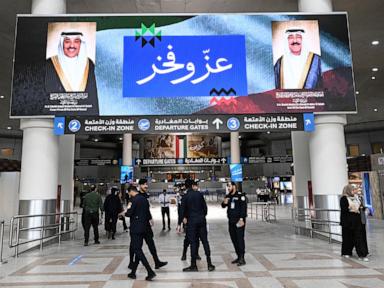
Iran attacks Kuwait airport, US forces despite ceasefire, amid rising regional tensions.
Iran launched drone and missile attacks targeting Kuwait International Airport and US forces, resulting in casualties and injuries.
Iran launched drone and ballistic missile attacks targeting Kuwait International Airport and U.S. forces in the region on Wednesday, despite an ongoing, albeit fragile, ceasefire. The attacks resulted in one fatality and 63 injuries in Kuwait, according to official statements.
The strikes on Kuwait International Airport, which occurred at dawn local time, targeted civilian and vital facilities, including diplomatic missions. The Ministry of Foreign Affairs stated that the assault caused casualties and damaged critical infrastructure. The General Authority of Civil Aviation later announced that Kuwait Airways flights would resume operations.
Bahrain's military reported intercepting three missiles and several drones fired from Iran, denouncing the attacks as systematic aggression against civilian infrastructure. The U.S. Central Command (CENTCOM) confirmed that a second wave of drones failed to hit U.S. targets in Kuwait, following earlier U.S. interceptions of Iranian missiles and subsequent strikes on Qeshm Island.
These actions represent a significant escalation amid ongoing, yet stalled, peace negotiations between the U.S. and Iran. The U.S. had previously announced major combat operations against Iran in late February, which were followed by an announcement of a two-week ceasefire. Initial talks in Pakistan in April did not yield a peace deal, leading to an open-ended extension of the ceasefire and a continued U.S. blockade until negotiations conclude.
The injured in Kuwait sustained a range of severe wounds, including fractures, head injuries, cerebral hemorrhages, and amputations, in addition to injuries from explosions and smoke inhalation, according to the Ministry of Health. The ministry posted this information on X, formerly Twitter.
Kuwait's foreign ministry denounced Iran's "overt aggressive attacks," warning that they lead to increased escalation, heightened tension, and undermine regional security and stability. The attacks underscore the precariousness of the ceasefire and the deep-seated mistrust between the involved parties.
The broader context involves a period of intense conflict that began with U.S.-Israeli strikes on Iran in February, followed by Iran's retaliatory actions. The current situation highlights the challenges in achieving lasting peace, with both sides demonstrating a willingness to engage in military action even as diplomatic channels remain open, albeit strained.
Questions remain about the future of the negotiations and the potential for further escalation. The continued exchange of hostilities, even under a nominal ceasefire, suggests that the path to de-escalation and a stable peace agreement remains uncertain and fraught with danger.
This article was written by AI based on publicly available news reporting. Original reporting by the linked source.