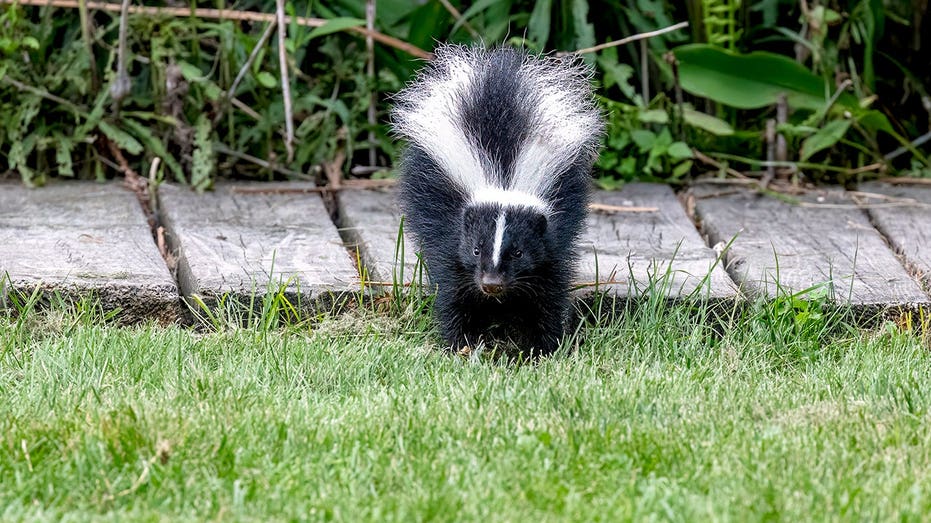
Irish Spring Soap Myth: Wildlife Expert Debunks Skunk Repellent Claims
A wildlife expert refutes the popular belief that Irish Spring soap deters skunks, offering practical advice for homeowners instead.
A widely circulated claim that Irish Spring soap can effectively repel skunks from yards has been debunked by wildlife expert Ned Bruha. For years, many homeowners have relied on the fragrant bar soap, placing pieces around their property in an effort to keep the nocturnal mammals at bay. However, Bruha states there is no scientific evidence to support this method's efficacy.
Skunks are primarily attracted to yards by readily available food sources and suitable denning sites. While the strong scent of Irish Spring soap might seem like a logical deterrent, Bruha explains that skunks are not easily deterred by odor alone, especially when other attractants are present. Their primary defense mechanism is their potent spray, which they deploy when feeling threatened, not their sense of smell for repelling them from an area.
Bruha's assessment suggests that the perceived effectiveness of the soap method may be anecdotal or coincidental. Homeowners might have observed skunks avoiding areas where the soap was placed, but this could be due to other environmental factors or the skunks' natural foraging patterns rather than a direct reaction to the soap. The expert emphasizes that relying on unproven methods can lead to a false sense of security, potentially delaying more effective solutions.
Instead of relying on household remedies, Bruha recommends a more proactive approach focused on eliminating the attractants that draw skunks in the first place. This includes securing garbage cans, removing pet food left outdoors, and sealing off potential den sites under decks or sheds. Addressing these underlying issues is considered far more effective in managing skunk presence around homes.
Experts in wildlife management often stress the importance of integrated pest management, which combines exclusion, habitat modification, and sanitation. For skunks, this means making a property less hospitable to them by removing easy access to food and shelter. This approach not only deters skunks but can also discourage other nuisance wildlife.
Bruha's advice aligns with broader recommendations from wildlife control professionals who advocate for understanding animal behavior rather than simply masking scents. Skunks are generally timid creatures and will avoid confrontation. Removing the reasons they visit—food, water, and shelter—is the most sustainable way to coexist with them.
Homeowners experiencing persistent issues with skunks are encouraged to consult local wildlife control services for tailored advice. These professionals can assess specific situations and implement humane and effective strategies for deterring wildlife, ensuring both the safety of residents and the animals.
Ultimately, the myth of Irish Spring soap as a skunk repellent highlights a common human tendency to seek simple solutions for complex wildlife interactions. Bruha's clarification serves as a reminder to rely on evidence-based methods for managing wildlife around residential areas.
This article was written by AI based on publicly available news reporting. Original reporting by the linked source.