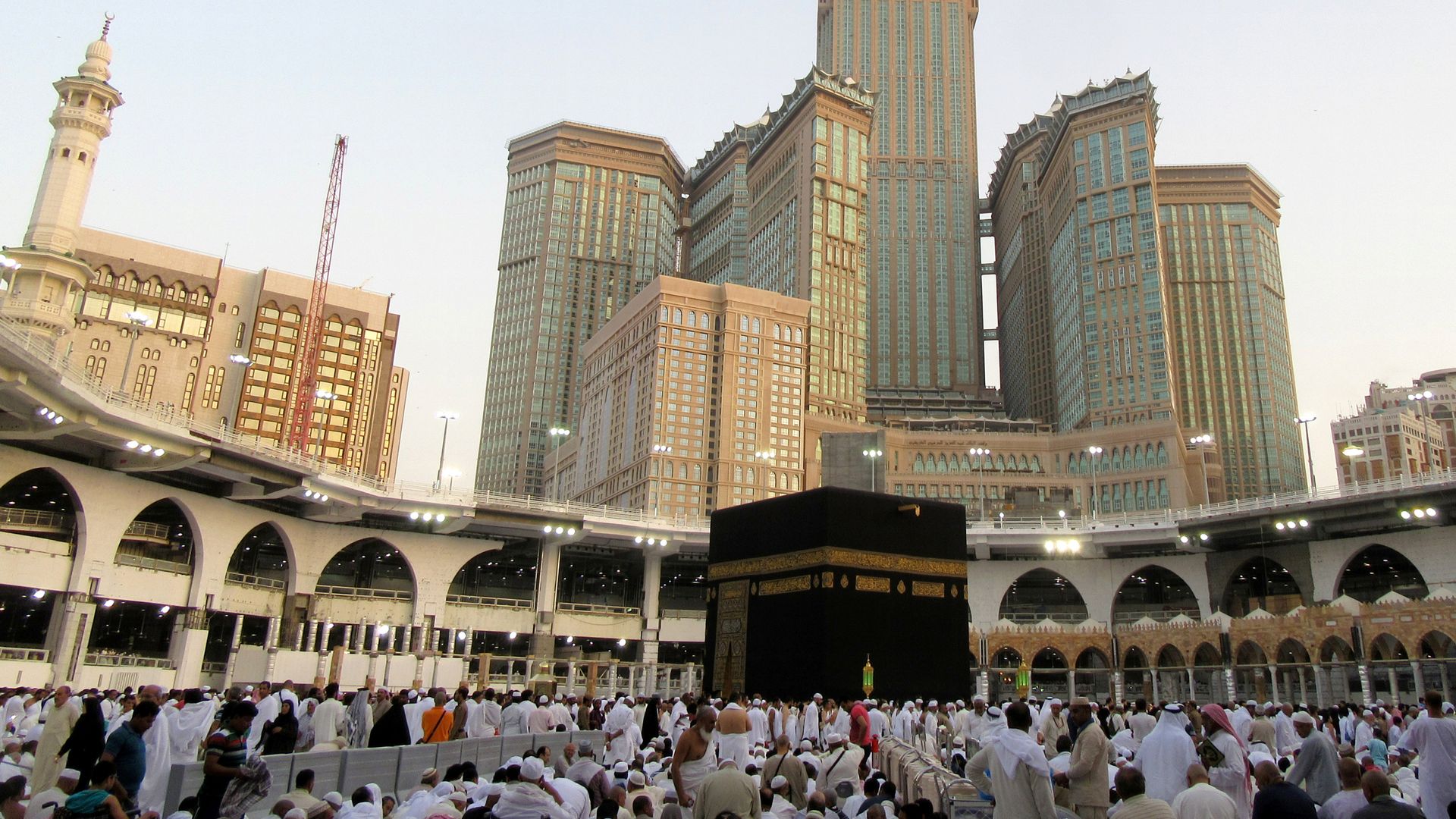
Islam to be World's Largest Religion by 2035; UK Majority Non-Religious by 2070
New projections indicate Islam will become the world's largest religion by 2035, while the UK is expected to have a non-religious majority by 2070.
Islam is projected to become the world's largest religion, potentially surpassing Christianity by the year 2035, according to detailed demographic projections released on Wednesday. This significant demographic shift reflects differing growth rates and age profiles among global religious groups.
The projections highlight a substantial increase in the global Muslim population, driven by higher fertility rates and a younger population base compared to other major religious affiliations. Christianity, while remaining a major global faith, is expected to experience slower growth in comparison.
Further analysis of the projections suggests a notable trend within the United Kingdom, where the proportion of individuals identifying as non-religious is anticipated to rise significantly. By approximately 2070, the UK is forecast to have a majority of its population with no religious affiliation, a trend mirroring shifts observed in other Western European nations.
These demographic forecasts have implications for religious institutions, social structures, and cultural landscapes worldwide. The anticipated growth of Islam could lead to increased influence in global affairs and necessitate adaptations in religious and social services to accommodate a growing Muslim population.
Globally, the projections are based on detailed analyses of birth rates, death rates, and migration patterns across various religious demographics. The research indicates that while Christianity will continue to be adhered to by a substantial portion of the world's population, its share of the global total is expected to decline slightly over the coming decades.
In contrast, the Muslim population is projected to grow at a rate that will see it overtake Christianity. This is largely attributed to higher birth rates in countries with significant Muslim populations and a younger average age among adherents, leading to a larger reproductive base.
The projections for the UK's shift towards a non-religious majority by 2070 are part of a broader pattern of secularization observed in many developed countries. This trend is influenced by various factors, including increased education, changing social values, and the diversification of belief systems.
While these projections offer a glimpse into potential future demographic landscapes, they are based on current trends and assumptions. Unforeseen global events, shifts in social policies, or changes in individual religious adherence could influence these outcomes.
This article was written by AI based on publicly available news reporting. Original reporting by the linked source.