Israel, Iran Exchange Strikes; Trump Claims He Directs All Actions
Israel and Iran traded missile fire, with Iran targeting Israeli sites and Israel striking Iranian petrochemical and military facilities, escalating regional tensions.
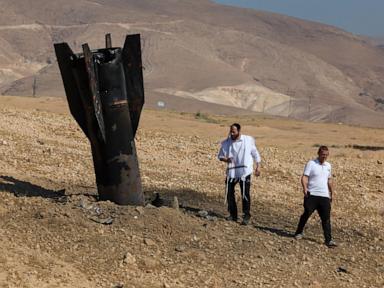
Israel and Iran engaged in a renewed exchange of strikes, with Iranian missiles targeting Israel and Israeli aircraft striking targets within Iran. The escalating conflict follows Israeli strikes in Beirut and has prompted declarations from Iran-aligned Houthis banning Israeli shipping from the Red Sea.
This latest round of hostilities underscores the volatile regional dynamics that have persisted following President Donald Trump's announcement of major combat operations against Iran on February 28. Initial U.S.-Iran talks in Pakistan in April failed to yield a peace agreement, leading to an open-ended extension of a U.S. blockade and continued negotiations.
Iranian state media reported damage at a petrochemical plant in southwestern Iran and a military complex in northern Iran. The Israel Defense Forces confirmed striking targets at a petrochemical plant, identified as the Karun Mahshahr Petrochemical Company, which reportedly sustained damage. No casualties were reported following an attack on a military complex in Tabriz, according to Iranian state news agency IRNA.
Meanwhile, the Israel Defense Forces reported identifying additional missile launches from Iran toward Israel on Monday morning, triggering air raid sirens across central and northern Israel. These attacks, according to Tehran, are retaliatory for Israeli strikes on alleged Hezbollah targets in Beirut.
In a statement on their Telegram channel, the Iran-aligned Houthi rebel group in Yemen claimed responsibility for an attack on Israeli targets and declared a ban on Israeli ships in the Red Sea. The Houthis vowed to respond to escalation with escalation, indicating potential intensification of their military operations.
Amidst the heightened tensions, President Donald Trump asserted his primary control over the situation in a phone interview with the Financial Times. Trump stated that he, rather than Israeli Prime Minister Benjamin Netanyahu, makes the ultimate decisions regarding any potential agreements or actions concerning Iran, emphasizing that Netanyahu would need to accept his decisions.
Israeli Prime Minister Benjamin Netanyahu was scheduled to convene a security cabinet meeting to discuss the ongoing developments. The situation remains fluid, with diplomatic efforts to de-escalate the conflict having previously stalled and the future of negotiations uncertain under the extended U.S. blockade.
The cycle of retaliatory strikes highlights the complex web of alliances and proxy conflicts in the region, with implications for global shipping lanes and broader geopolitical stability. The involvement of various state and non-state actors continues to shape the trajectory of the conflict.
This article was written by AI based on publicly available news reporting. Original reporting by the linked source.