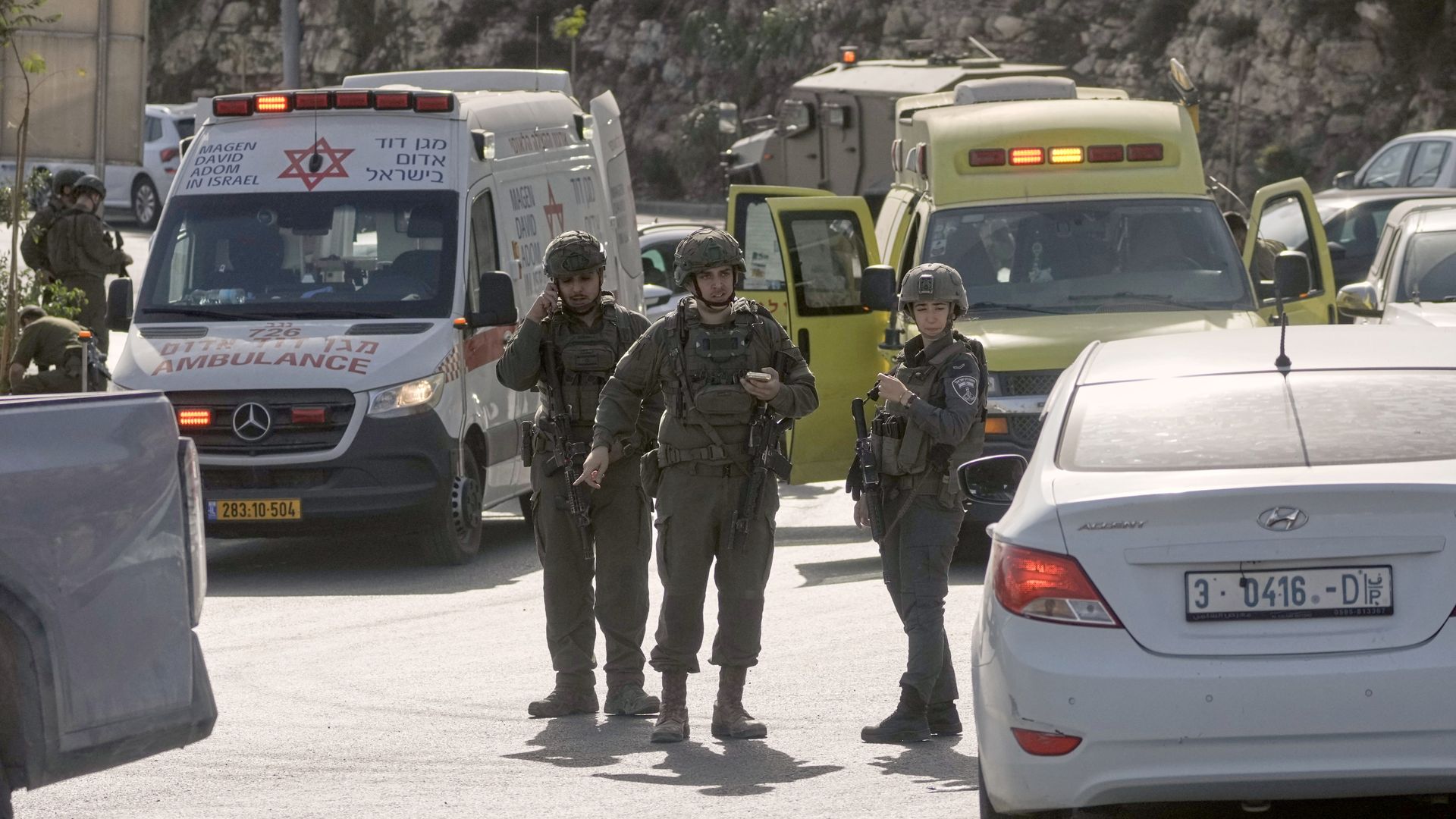
Israel Orders West Bank Closure After Thwarted Hebron Shooting
Israel's army is preparing for a full West Bank closure following a shooting incident near Hebron, with authorities citing security concerns.
The Israeli government has issued an order for its army to prepare for a complete closure of the occupied West Bank. The directive comes in the wake of a shooting incident that occurred near the city of Hebron.
This decision signals a significant escalation in security measures, potentially impacting daily life and movement for Palestinians in the West Bank. The move is framed by Israeli authorities as a response to immediate security threats, specifically the "thwarting" of a terror attack.
Details surrounding the specific incident remain limited, but the order for a full closure suggests a high level of concern from the Israeli security establishment. Such closures typically involve restricting movement for both people and goods across checkpoints and borders.
The implications of a full West Bank closure are far-reaching. It could disrupt Palestinian access to work, education, and essential services, and may also affect international humanitarian access. The economic impact on the region is also a significant consideration.
Historically, Israel has implemented various levels of closure in the West Bank, particularly in response to security incidents or perceived threats. These measures have often drawn criticism from international bodies and human rights organizations, who point to the humanitarian consequences and restrictions on fundamental freedoms.
While the immediate trigger for this order is the shooting incident near Hebron, it occurs against a backdrop of ongoing tensions in the region. The Israeli military and security forces regularly conduct operations in the West Bank, and the area has seen a rise in violence in recent months.
Further details regarding the timeline for the potential closure, the specific restrictions that would be imposed, and the duration are expected to be released by Israeli authorities. The exact nature of the "thwarted terror attack" that precipitated the order has not been fully elaborated.
International responses to such measures have historically varied, with some governments expressing understanding of Israel's security needs while others have voiced concerns about the impact on the civilian population. The situation remains fluid, with ongoing assessments of the security landscape.
This article was written by AI based on publicly available news reporting. Original reporting by the linked source.