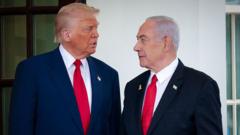
Israel Rejects Trump's 15-Point Gaza Plan, Citing Hamas Disarmament Needs
Israeli Prime Minister Benjamin Netanyahu rejected a 15-point Gaza peace plan, stating Israel won't withdraw until Hamas is disarmed.
Israeli Prime Minister Benjamin Netanyahu has rejected a 15-point plan proposed by former US President Donald Trump for Gaza, asserting that any Israeli military withdrawal is contingent upon the genuine disarmament of Hamas.
The announcement marks a significant setback for Trump's "Board of Peace," which had previously stated it had secured an agreement for the complete disarmament of Hamas and other armed groups in the Palestinian territory. The proposed plan, intended to pave the way for lasting peace and security, was announced last month by Trump.
Netanyahu, speaking at a cabinet meeting on Sunday, stated that the Israeli military "will not carry out any withdrawal until Hamas is genuinely disarmed." He emphasized that Israel would "continue to thwart threats against our forces and our citizens." This rejection underscores a fundamental disagreement on the sequencing of actions.
Hamas, in response to the earlier announcement of a disarmament plan, had indicated that handing over its heavy weapons was conditional on Israel ending all forms of aggression and withdrawing its forces from Gaza. Israel has maintained its military operations in Gaza, continuing strikes even after agreeing to an initial ceasefire last October.
The Prime Minister further elaborated that Hamas's disarmament could not be "some fictitious disarmament," highlighting a lack of trust in the group's commitment. He indicated that discussions are ongoing with U.S. officials regarding the path forward.
This development arrives just months before Israeli elections, a period during which Prime Ministers typically avoid making significant concessions that could be perceived as weakness by the electorate. The rejection signals another blow to Trump's peace initiative for Gaza, which was initially unveiled in September of the previous year.
Netanyahu's firm stance prioritizes Israeli security concerns, emphasizing the need for Hamas to be militarily neutralized before any Israeli troop withdrawal. This position contrasts with the broader aspirations of the Trump plan, which appeared to seek a more immediate de-escalation and peace process.
The future of the peace plan now hinges on further negotiations and whether a compromise can be reached that satisfies the security demands of Israel and the conditions set by Hamas, or if alternative diplomatic avenues will be pursued.
This article was written by AI based on publicly available news reporting. Original reporting by the linked source.