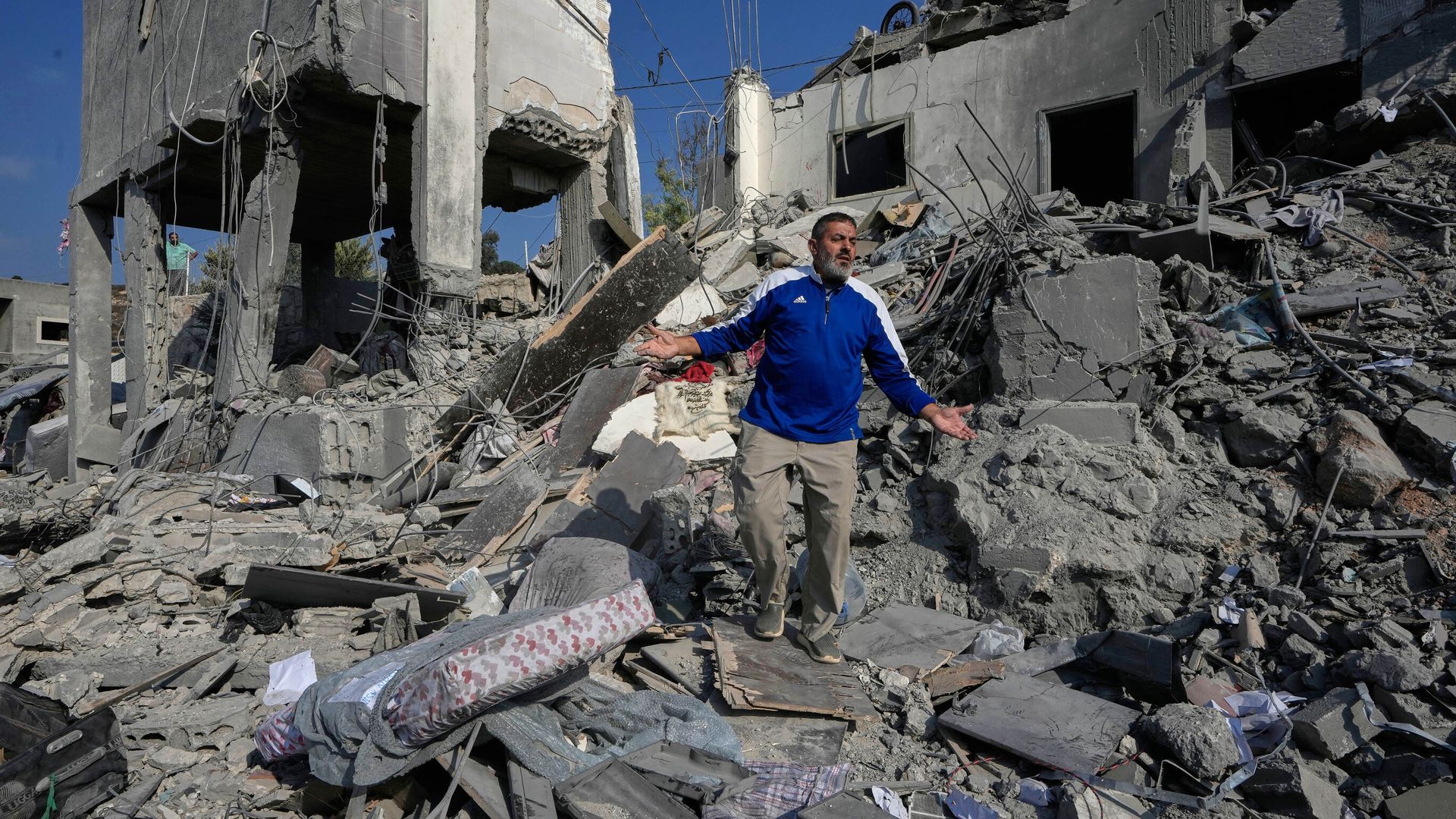
Israeli Airstrikes in Lebanon Kill Nine, Including Three Children
Nine people, three of them children, died in Israeli airstrikes targeting two southern Lebanese villages.
Nine people, including three children, were killed in Israeli airstrikes that targeted two villages in southern Lebanon. The strikes occurred amidst ongoing cross-border tensions between Israel and Lebanon.
The incident adds to the escalating violence in the region, raising concerns about a wider conflict. These attacks are part of a pattern of hostilities that have intensified since the outbreak of war in Gaza.
Details of the specific villages and the exact timing of the strikes were not immediately available, but reports indicate significant casualties. The identities of the deceased have not been fully released, but the presence of children among the victims has drawn widespread condemnation.
The airstrikes are likely to further inflame regional tensions and could prompt retaliatory actions. International bodies are expected to call for de-escalation and an immediate cessation of hostilities to prevent further loss of civilian life.
Cross-border exchanges of fire between Israel and Hezbollah, the powerful Lebanese militant group, have become a near-daily occurrence since October. Hezbollah has stated its actions are in solidarity with Palestinians in Gaza. Israel has warned that it will not tolerate continued attacks from Lebanon and has conducted operations to push back Hezbollah forces from the border area.
Previous Israeli strikes in Lebanon have also resulted in civilian casualties, although the targeting of children in this instance is particularly concerning. Human rights organizations have repeatedly called for all parties to abide by international humanitarian law, which prohibits the targeting of civilians.
Lebanese authorities have condemned the strikes, holding Israel responsible for the deaths and demanding international intervention. The United Nations Interim Force in Lebanon (UNIFIL) has been monitoring the border but has limited power to enforce a ceasefire.
The long-term implications of these escalating attacks remain uncertain, with fears growing of a full-scale war that could destabilize the region further. The international community faces a critical challenge in mediating a de-escalation and addressing the root causes of the conflict.
This article was written by AI based on publicly available news reporting. Original reporting by the linked source.