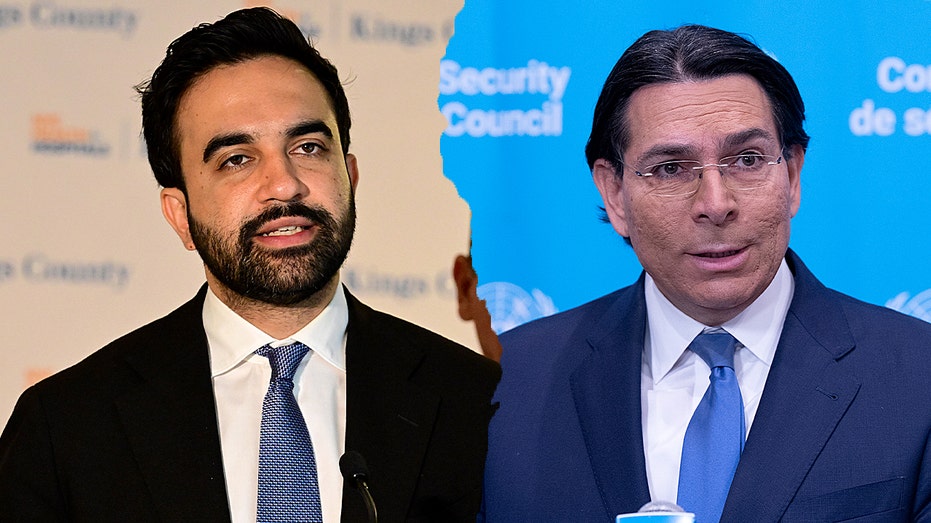
Israel's UN Envoy Slams 'Clown' Mamdani Over Netanyahu Arrest Call
Israel's UN Ambassador Gilad Erdan called academic Mahmood Mamdani a "clown" for suggesting an arrest warrant for Prime Minister Netanyahu, labeling the move a "stunt."
United Nations, New York – Israel's Ambassador to the United Nations, Gilad Erdan, has vehemently criticized academic Mahmood Mamdani, labeling him a "clown" following Mamdani's call for an international arrest warrant against Israeli Prime Minister Benjamin Netanyahu.
Erdan's sharp rebuke came in response to Mamdani's remarks, which suggested that the Prime Minister should face legal consequences. The Israeli envoy dismissed the proposal as a baseless "stunt," asserting that such calls undermine legitimate international discourse and legal processes.
Mamdani, a prominent academic and author, reportedly made the suggestion in a public forum, sparking a strong reaction from Israel's UN representative. Erdan emphasized that the focus should remain on combating terrorism and ensuring the security of Israel, rather than engaging in what he termed politically motivated theatrics.
The exchange highlights the deep divisions and intense rhetoric surrounding the ongoing conflict and its international legal ramifications. While proponents of such calls argue for accountability, critics like Erdan view them as attempts to delegitimize Israel and distract from its security concerns.
Erdan reiterated Israel's commitment to international law and self-defense, while simultaneously condemning what he perceives as biased and unproductive efforts by individuals and groups seeking to target Israeli leadership through unsubstantiated legal avenues. He suggested that Mamdani's comments were intended for sensationalism rather than substantive legal or political engagement.
The ambassador stressed that Israel is focused on its security and the well-being of its citizens, particularly in the face of ongoing threats. He implied that such calls distract from the real issues at hand and serve no constructive purpose in resolving complex geopolitical conflicts.
This public spat underscores the highly charged atmosphere at the United Nations, where discussions on international justice and accountability often become focal points for diplomatic clashes between member states and their allies. The differing perspectives on the application of international law in conflict situations continue to fuel contentious debates.
Further analysis of Mamdani's specific arguments and the broader legal frameworks he invoked is expected as the international community navigates these complex legal and political challenges. The exchange between Erdan and Mamdani is emblematic of the broader, ongoing debate about accountability for actions taken during armed conflicts.
This article was written by AI based on publicly available news reporting. Original reporting by the linked source.