Italy Extends Border Controls With Spain Amid Migrant Surge
Italy suspends open-border policy with Spain for 15 days following a large migrant influx into Ceuta.
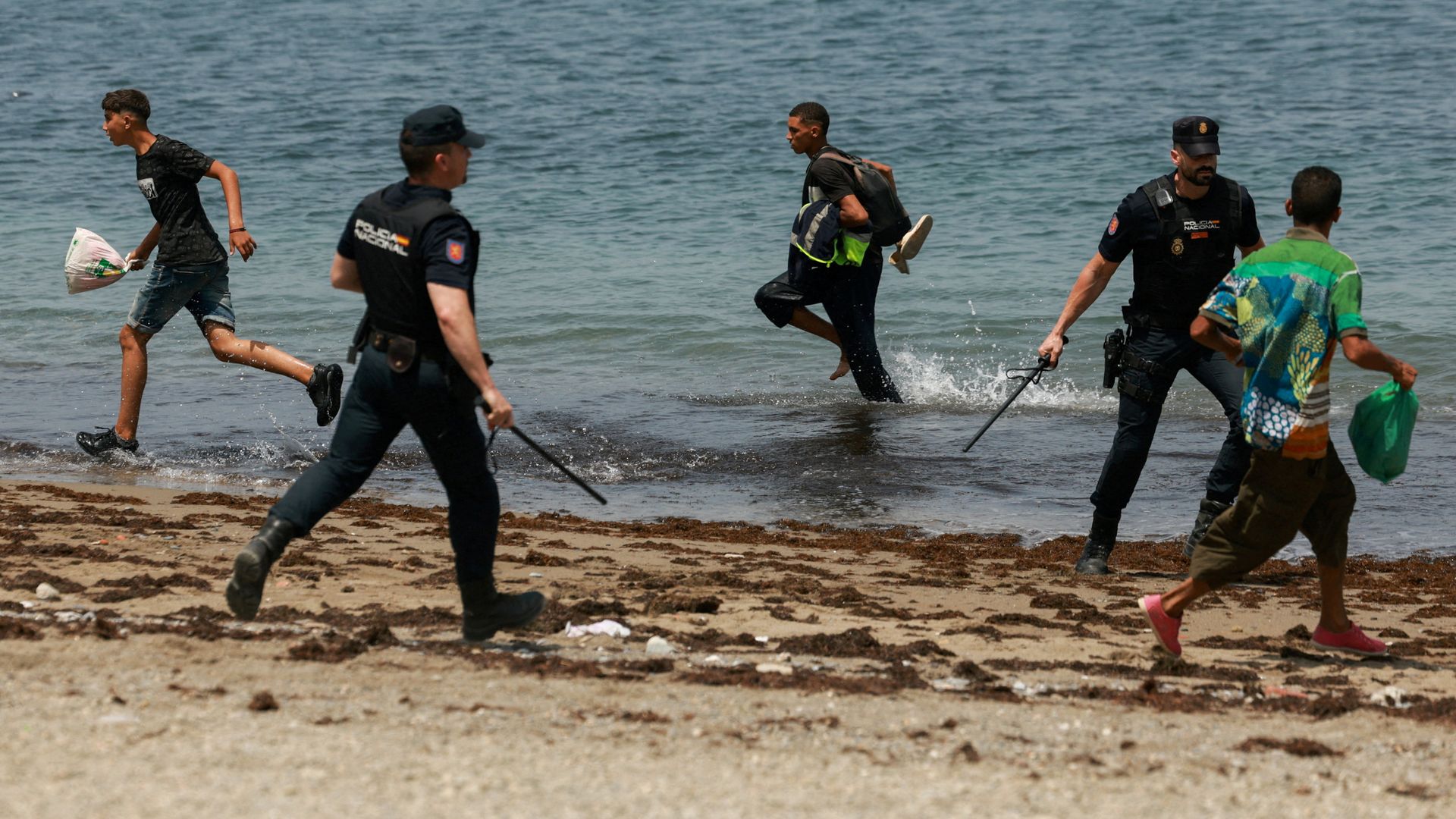
Italy announced on Tuesday that it will extend its suspension of open-border arrangements with Spain for an additional 15 days. This decision, imposed after a significant surge of migrants into the Spanish enclave of Ceuta approximately one month ago, highlights ongoing tensions and security concerns between the two European nations.
The move by Italy to reinstate border controls signals a continued response to the perceived pressure on external EU borders. The situation in Ceuta, a Spanish city on the northern coast of Africa, saw an unprecedented number of arrivals, prompting immediate reactions from neighboring countries and the European Union.
Sources indicate that the Italian government's decision is a precautionary measure aimed at managing potential secondary movements of migrants within the Schengen Area. The extended restrictions are intended to allow authorities more time to assess the situation and coordinate with Spanish officials on border management strategies. No specific figures on the number of migrants involved in the Ceuta surge were immediately provided, but the event was described as a "mass rush."
This tit-for-tat measure by Italy is likely to have implications for travel and security cooperation between the two countries. It underscores the challenges faced by Mediterranean nations in managing irregular migration flows and the complex political dynamics that arise from such events within the broader European context.
The original restrictions were put in place shortly after the large influx of migrants into Ceuta. This enclave, bordered by Morocco, is a frequent point of entry for individuals seeking to reach Europe, often through perilous sea crossings or by scaling border fences.
The Spanish government had previously stated its commitment to managing its borders effectively and working with both EU partners and North African countries to address the root causes of migration and prevent unauthorized crossings.
European Union officials have repeatedly called for greater solidarity and burden-sharing among member states in addressing migration challenges. The current situation, however, demonstrates that individual nations may resort to unilateral measures when they feel their national security or border integrity is threatened.
It remains to be seen how Spain will respond to Italy's extended border controls and whether this will lead to further diplomatic discussions or reciprocal actions. The long-term impact on the Schengen Area's principle of free movement will also be a key point of observation.
This article was written by AI based on publicly available news reporting. Original reporting by the linked source.