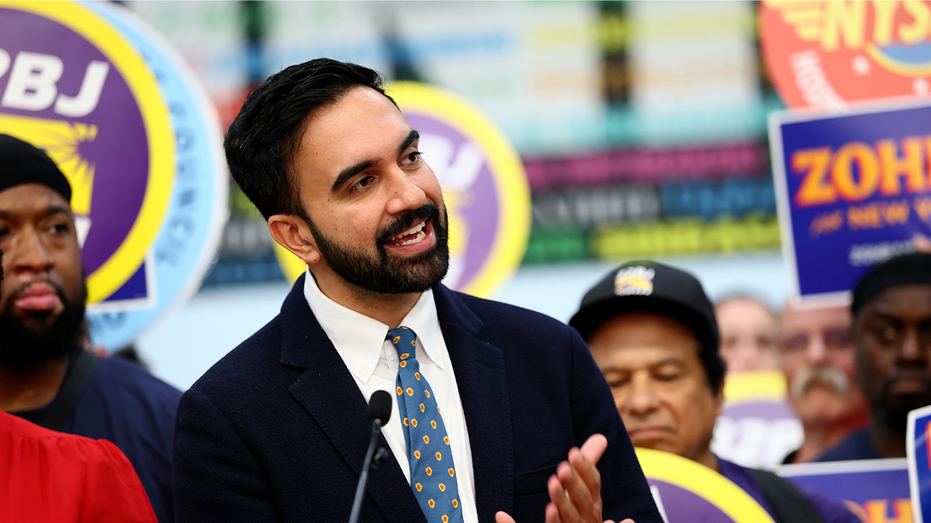
James, Mamdani Sue to Block Trump Rule Denying Immigrants Welfare Benefits
New York Attorney General Letitia James and others are suing to block a Trump administration rule that denies immigrants welfare benefits, impacting their status.
New York Attorney General Letitia James, alongside other officials and immigrant advocates, has filed a lawsuit seeking to block a Trump administration policy that denies legal immigration status to those likely to use public benefits. The rule, finalized by the Department of Homeland Security, targets immigrants who have received or are expected to receive certain forms of public assistance.
This policy, often referred to as the "public charge" rule, aims to ensure immigrants are self-sufficient and do not become a burden on public resources. Critics argue that it creates a chilling effect, discouraging vulnerable immigrant families from accessing essential services like food assistance, housing subsidies, and Medicaid, even if these benefits do not directly affect their immigration status.
Letitia James, in her capacity as New York's top legal officer, stated that the rule unfairly penalizes low-income immigrants and their families. The lawsuit contends that the policy is arbitrary, capricious, and violates federal immigration law by expanding the definition of a "public charge" beyond existing statutes.
The Trump administration has defended the rule as a necessary measure to uphold the principle of immigrant self-reliance. Officials have argued that the policy is consistent with the historical intent of immigration law and would help preserve taxpayer resources. The rule's implementation has faced numerous legal challenges since its inception.
Immigrant rights organizations have expressed deep concern over the potential impact of the rule. They claim it disproportionately affects minority immigrant communities and could lead to increased food insecurity and health problems among those who fear applying for benefits. The legal fight centers on whether the administration overstepped its authority in redefining what constitutes a "public charge" for immigration purposes.
The lawsuit was filed in federal court, and its outcome could have significant implications for millions of immigrants seeking to adjust their status or gain permanent residency in the United States. The legal battle is expected to be lengthy, with advocates on both sides preparing for protracted litigation.
Further analysis of the rule's effects will likely involve examining data on immigrant reliance on public benefits and assessing the economic and social consequences of its enforcement. The case highlights a broader debate about the nation's immigration policies and the role of public assistance in integration.
Unresolved questions remain regarding the extent to which the rule will be enforced and how it will interact with existing state and federal welfare programs. The legal challenges underscore the ongoing tension between immigration enforcement and humanitarian concerns.
This article was written by AI based on publicly available news reporting. Original reporting by the linked source.