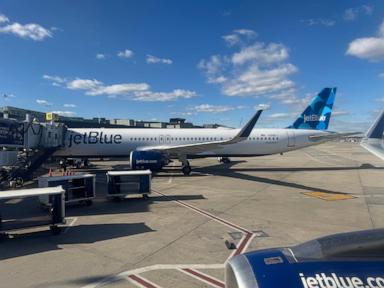
JetBlue Pilot Reports Drone Strike During JFK Landing; Inspections Find No Evidence
A JetBlue pilot reported hitting a drone while landing at JFK, but inspections revealed no damage or evidence of a strike. The FAA will investigate.
A JetBlue Airways pilot reported striking a drone while on final approach to land at New York's John F. Kennedy International Airport (JFK) on Monday morning. The flight, arriving from Las Vegas, landed safely, and subsequent inspections by both the airline and the Federal Aviation Administration (FAA) found no physical evidence of a collision.
The incident occurred at approximately 3,000 feet above ground, just above the cockpit, according to the pilot's communication with air traffic control, audio of which was obtained from ATC.com. The pilot informed the controller of the encounter, stating, "We collided with a drone back there in the turn as we were coming to ASALT," referencing a common waypoint for JFK arrivals.
Despite the pilot's report, post-flight examinations conducted by JetBlue and the FAA found no damage to the aircraft and no indication that a strike had occurred. The pilot did not request any assistance and confirmed the plane was safe to continue with the landing, according to air traffic control transcripts.
The FAA confirmed it would investigate the reported incident. While the agency receives over 100 reports of drone sightings near airports monthly, unauthorized drone operations pose significant safety risks and are illegal under federal regulations. Operators found in violation could face substantial fines, criminal charges, and potential jail time.
JetBlue emphasized its commitment to safety, stating in a released statement, "Safety is JetBlue's first priority, and we will assist with any relevant investigations." The airline's swift inspections highlight the rapid response protocols in place for such potential safety events.
This reported incident underscores the ongoing challenges posed by unmanned aerial systems near busy airspace. The FAA has consistently warned about the dangers of drones interfering with aircraft, especially during critical phases of flight like takeoff and landing.
While the lack of physical evidence in this specific case is notable, the FAA's decision to investigate signifies the seriousness with which such reports are treated. The agency's findings will be crucial in determining the next steps, potentially involving the identification and prosecution of any individuals operating drones illegally in the vicinity of the airport.
Unresolved questions remain regarding the nature of the pilot's perception of the strike and why inspections did not corroborate the reported impact. The investigation will aim to clarify these details and reinforce safety measures for air traffic around major airports.
This article was written by AI based on publicly available news reporting. Original reporting by the linked source.