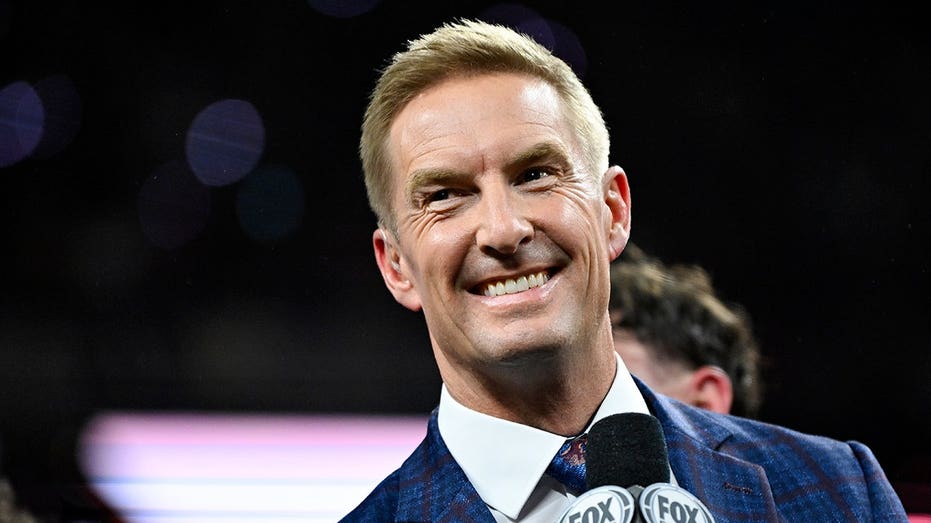
Joel Klatt: SEC's dominance relied on Nick Saban's 'coattails'
Analyst Joel Klatt claims SEC's perceived superiority ended with Nick Saban, citing recent bowl game struggles.
College football analyst Joel Klatt asserted that the Southeastern Conference's (SEC) reputation for dominance has waned significantly since the departure of legendary coach Nick Saban.
Klatt, speaking on the impact of conference shifts and playoff formats, suggested that the SEC's historical success was intrinsically linked to Saban's sustained achievements at Alabama. He implied that the conference as a whole benefited from the aura of superiority Saban cultivated, allowing other teams to be perceived as stronger than they might have been independently.
"Nick Saban isn't there with his big old coattails for you to ride as a conference anymore," Klatt stated, according to OutKick. This statement comes in the wake of a disappointing bowl season for the SEC, where the conference teams collectively struggled against opponents from other major conferences.
SEC teams posted a dismal 1-8 record in bowl games against non-SEC opponents and failed to secure any victories in playoff games against "Power 4" programs. This performance has fueled discussions about the SEC's actual standing in the national landscape compared to its long-held reputation.
Historically, the SEC has been the benchmark for college football success, consistently producing national championship contenders and dominating bowl game statistics for over a decade. Saban's tenure at Alabama, which included seven national championships, was a significant driving force behind this perception.
Klatt's comments suggest that without Saban's consistent presence at the helm of a top-tier program, the SEC's collective strength may be less pronounced. This raises questions about how the conference will fare in future seasons and whether other leagues, such as the Big Ten, might continue to close the gap or even surpass the SEC.
The analyst's remarks also touch upon the evolving structure of college football, including potential expansions of the playoff system. The discussion around a 24-team playoff, for instance, could further highlight inter-conference competitiveness.
As the college football landscape continues to shift with conference realignments and the increasing competitiveness of programs outside the traditional powerhouses, the SEC faces scrutiny to prove its continued dominance without its most iconic figure. The recent bowl results provide ammunition for those questioning the conference's inherent superiority.
The lack of SEC success in recent high-stakes matchups, particularly against other top-tier conference opponents, presents a challenge to the conference's narrative. Whether this is a temporary downturn or a sign of a more significant shift remains to be seen as future seasons unfold.
This article was written by AI based on publicly available news reporting. Original reporting by the linked source.