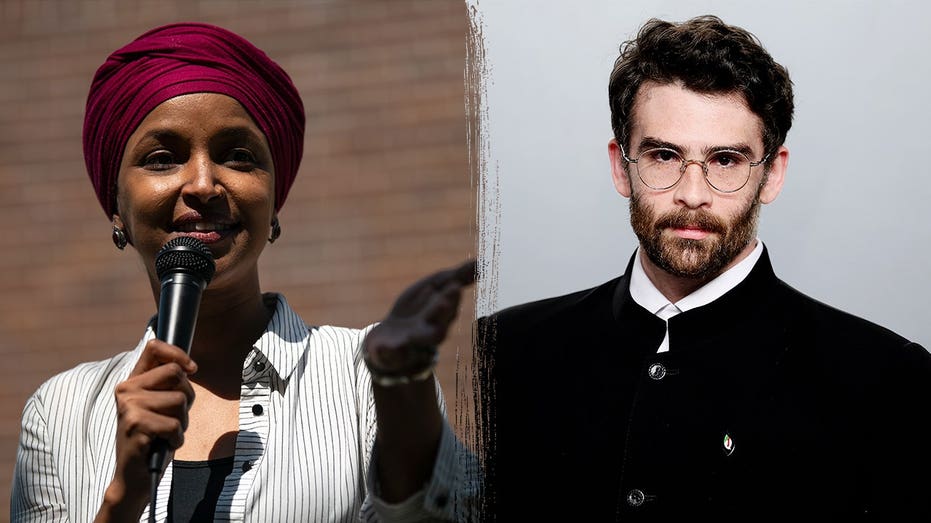
John Nagel Criticizes Ilhan Omar's Response to Hasan Piker Controversy
John Nagel criticizes Rep. Ilhan Omar for engaging with Hasan Piker despite warnings, calling it political theater.
John Nagel, a political figure, has voiced strong criticism of U.S. Representative Ilhan Omar's handling of a controversy involving Twitch streamer Hasan Piker. Nagel asserts that Omar was aware of concerns surrounding Piker's past statements but proceeded to engage with him, a decision he characterizes as "political theater."
The controversy stems from Piker's history of controversial remarks, which include comments considered antisemitic and misogynistic by various groups. Nagel argues that despite being alerted to these issues, Omar chose to interact with Piker, thereby lending him a platform and credibility.
Nagel's perspective suggests that Omar's engagement was not a genuine attempt to understand or address the concerns but rather a strategic move for political gain. He believes she opted for a public spectacle over a more responsible approach to sensitive issues, particularly those involving hate speech and extremism.
This incident raises questions about the vetting process for public engagements and the criteria used by political figures when interacting with online personalities who command large followings but also harbor controversial views. Nagel implies that Omar's decision prioritizes optics over substantive engagement with the problematic nature of Piker's past rhetoric.
Nagel's commentary highlights a broader debate within political circles about how public figures should navigate relationships with influential online personalities. The potential for such interactions to normalize or amplify harmful speech is a significant concern for many, especially when the individuals involved have a history of making offensive remarks.
Critics like Nagel often point to the responsibility that comes with a public platform. They argue that elected officials should be particularly cautious about associating with individuals whose public statements have caused offense or harm, regardless of the size of their audience or their potential to mobilize support.
The decision by Omar to engage with Piker, despite the warnings, has been interpreted by Nagel and others as a calculated risk. This strategy, he suggests, may have been intended to appeal to a younger, online demographic, but it ultimately exposed her to criticism for appearing to overlook or downplay serious allegations.
Ultimately, Nagel's critique frames Omar's actions as a choice that prioritized performative politics over accountability. The incident serves as a case study in the complex dynamics between political figures, social media influencers, and the ongoing challenge of addressing controversial speech in the digital age.
This article was written by AI based on publicly available news reporting. Original reporting by the linked source.