Judge Blocks Alabama's Nitrogen Gas Executions as Cruel and Unusual
A federal judge halted Alabama's use of nitrogen gas for executions, deeming the method unconstitutionally cruel and unusual punishment.
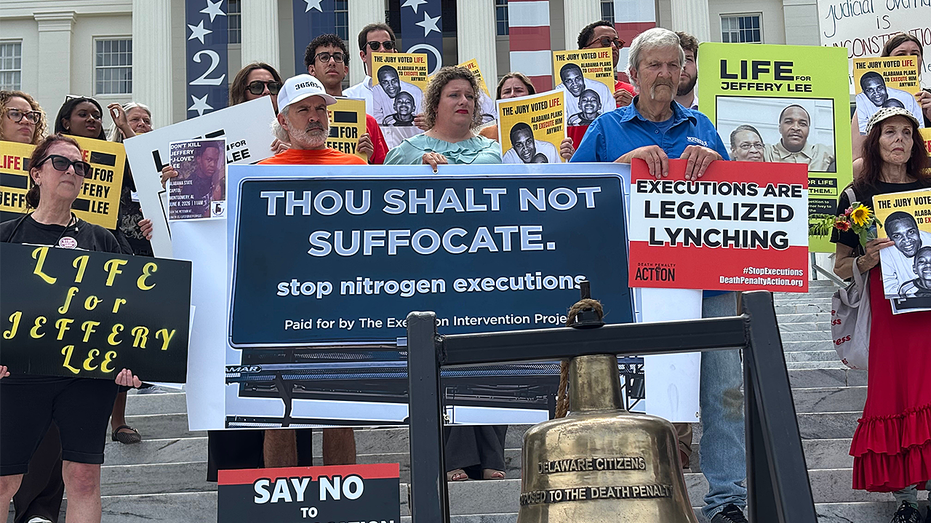
A federal judge has blocked Alabama's use of nitrogen gas as a method of execution, ruling that the state's protocol is unconstitutionally cruel and unusual punishment. The decision came after a legal challenge brought by death row inmates who argued the method posed an unacceptable risk of suffering.
Alabama had been preparing to use nitrogen hypoxia, a method where a condemned person breathes pure nitrogen gas, causing death by oxygen deprivation. Proponents of the method suggested it could be a more humane alternative to lethal injection, particularly as states face challenges in obtaining lethal injection drugs. However, critics and the inmates argued that the scientific basis for its effectiveness and the potential for a prolonged and agonizing death were not sufficiently understood or mitigated.
The judge's ruling cited concerns that the state's procedures did not adequately protect against the risk of extreme suffering. The court's review focused on whether the method, as implemented by Alabama, would violate the Eighth Amendment's prohibition against cruel and unusual punishment. The legal challenge highlighted a lack of comprehensive scientific study and practical experience with nitrogen hypoxia as a means of capital punishment.
This ruling has significant implications for capital punishment in Alabama and potentially for other states considering similar nitrogen gas protocols. It raises further questions about the constitutionality and humanity of evolving execution methods in the face of dwindling drug supplies for lethal injections.
Alabama is one of only a few states that had advanced plans to utilize nitrogen gas for executions. The state had previously expressed its readiness to carry out executions using this method, signaling a potential shift in capital punishment practices. The legal battle centered on expert testimony and the interpretation of scientific data regarding the physiological effects of nitrogen hypoxia.
Opponents of the death penalty have often pointed to the inherent uncertainties and potential for botched executions with any method. The nitrogen gas debate underscores these concerns, with the court's decision reflecting a judicial assessment of the risks involved. The ruling emphasizes the high legal bar that must be met to ensure that state-sanctioned killings do not inflict unnecessary pain or torment.
Legal experts suggest that this decision could embolden further challenges to nitrogen gas execution methods in other jurisdictions. It also puts renewed focus on the availability and constitutionality of traditional lethal injection protocols, which have also faced numerous legal hurdles and public scrutiny.
The case leaves unresolved the question of how Alabama will proceed with executions, given the blocking of its preferred method. It also highlights the ongoing legal and ethical debates surrounding capital punishment in the United States, as states grapple with the practicalities and constitutional limitations of carrying out the death penalty.
This article was written by AI based on publicly available news reporting. Original reporting by the linked source.