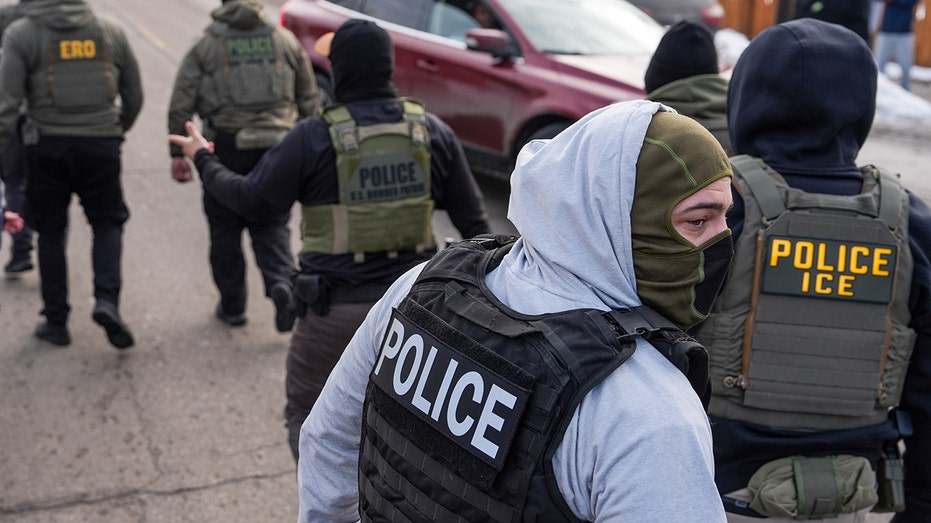
Judge Blocks Philadelphia Mask Ban on ICE Agents
A federal judge halted Philadelphia's law banning masks on ICE agents, stating cities can't control federal enforcement.
A federal judge has blocked a Philadelphia ordinance that prohibited federal immigration agents from wearing masks while on duty, ruling that the city overstepped its authority in attempting to regulate federal law enforcement operations.
The decision comes after Philadelphia enacted a law earlier this year aiming to prevent individuals, including federal agents, from concealing their identities while engaged in law enforcement activities within city limits. The ordinance was specifically intended to address concerns about transparency and accountability during federal operations.
U.S. District Judge Harold Caldwell issued the preliminary injunction, agreeing with arguments that the city's law interfered with the federal government's ability to conduct immigration enforcement. The ruling emphasized that federal agencies have established protocols for their officers, and local ordinances cannot dictate how these operations are carried out.
This ruling has significant implications for the balance of power between local and federal authorities, particularly in areas where federal law enforcement operates. It underscores the principle that federal agencies retain control over the methods and procedures of their agents, even when operating within city jurisdictions.
The lawsuit was brought by the Department of Homeland Security, which argued that the mask ban directly impeded the work of Immigration and Customs Enforcement (ICE) officers. ICE agents often wear masks as a safety precaution, particularly when conducting sensitive operations or in situations where their identities could be compromised, potentially putting them and their families at risk.
Opponents of the ban, including federal officials, contended that such local regulations could hinder effective law enforcement and compromise the safety of federal officers. They argued that federal law and agency policies should govern the conduct of federal agents, not city ordinances.
While the judge's order is a preliminary injunction, it suggests a strong likelihood that the law will be permanently overturned. The court's reasoning focused on the Supremacy Clause of the U.S. Constitution, which generally holds that federal law takes precedence over state or local laws when there is a conflict.
City officials have not yet announced whether they plan to appeal the decision or what their next steps will be. The case highlights ongoing tensions and legal challenges surrounding federal law enforcement activities and their interaction with municipal regulations.
This article was written by AI based on publicly available news reporting. Original reporting by the linked source.