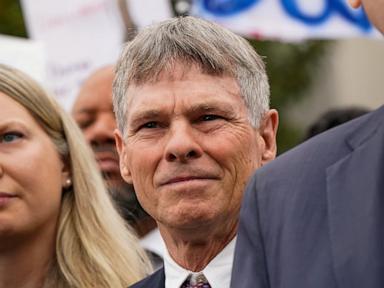
Judge Dismisses Vandalism Case Against Olympian David Hearn; Prejudice Decision Pending
A federal judge dismissed criminal charges against Olympian David Hearn for Reflecting Pool vandalism, pending a ruling on future prosecution.
A federal judge has dismissed the criminal case against former U.S. Olympic canoeist David Hearn related to the vandalism of the Lincoln Memorial Reflecting Pool. The order, filed on Thursday, granted in part a request by the Department of Justice to drop the charges.
Associate Judge Todd Edelman stated he would hold off on deciding whether the dismissal should be "with prejudice," a move that would prevent Hearn from being charged again for the same alleged offense. This decision awaits further arguments from both the government and Hearn's legal team, with a schedule set for submissions and a future hearing.
The Justice Department had previously moved to dismiss the case, acknowledging that evidence indicated the damage to the pool was a result of faulty installation by the contractor. However, their motion sought a dismissal "without prejudice," which would have left Hearn vulnerable to potential future charges.
Attorneys for Hearn countered with their own motion, requesting the indictment be dismissed "with prejudice." They argued that the government pursued charges without sufficient evidence and before a thorough investigation into the installation process was completed, citing "exceptional facts and circumstances."
Hearn, who competed for the U.S. Olympic team as a canoeist, had pleaded not guilty last month to a felony destruction of property charge. His arraignment followed accusations that he had "forcefully and violently ripping up parts of the pool floor."
The U.S. Attorney's office, led by Jeanine Pirro, stated in their filing that they only became aware of evidence pointing to a "rushed and flawed installation process" after Hearn had already been indicted by a grand jury.
President Donald Trump publicly criticized the Justice Department's initial move to drop the case, calling the decision "choked" and asserting that vandals were responsible for the damage. He continued to push allegations that the pool lining had been cut and torn.
The case's dismissal raises questions about accountability and the thoroughness of investigations into property damage at national monuments, particularly when contractor error is later identified as a contributing factor.
This article was written by AI based on publicly available news reporting. Original reporting by the linked source.