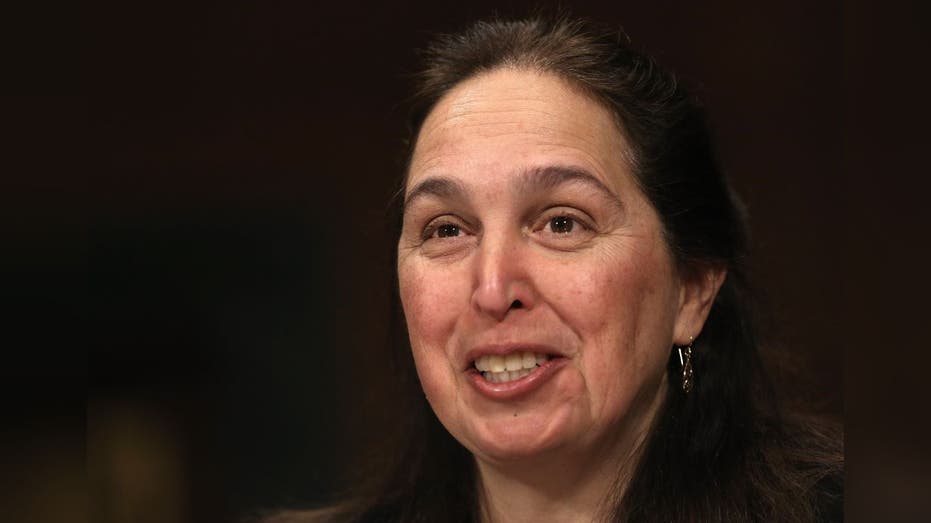
Judge Indira Talwani Accused of Defying Supreme Court Election Rule
A federal judge is accused of ignoring a Supreme Court ruling on election procedures, raising concerns about electoral integrity.
U.S. District Judge Indira Talwani has been accused of defying a Supreme Court directive concerning election rules, a move that has sparked significant debate and concern among legal and political circles.
The controversy centers on a ruling by the nation's highest court that aimed to clarify and potentially standardize certain aspects of election administration, particularly in the lead-up to and aftermath of voting.
Reports indicate that Judge Talwani's actions in a recent case involved procedures that appeared to contravene the spirit, if not the letter, of the Supreme Court's guidance. This has led to accusations from some quarters that the judge is undermining established electoral processes.
The implications of a federal judge seemingly disregarding a Supreme Court mandate are far-reaching, potentially eroding public trust in the judiciary and the electoral system itself. It raises questions about the consistency and enforceability of election laws.
Legal experts have weighed in on the matter, with some arguing that such defiance, if proven, could set a dangerous precedent. They point to the importance of judicial adherence to the Supreme Court's interpretations of the law to maintain a stable legal framework.
This incident also brings to the forefront the ongoing discussions surrounding election integrity and the role of the judiciary in overseeing electoral disputes. Critics suggest that any deviation from established rules, especially those clarified by the Supreme Court, could open the door to challenges and disputes that could destabilize election outcomes.
While the specific details of the case and the exact nature of the alleged defiance are still being scrutinized, the accusation itself has amplified calls for accountability and clarity within the judicial system regarding election matters.
Further developments are anticipated as legal observers and the public await a more detailed explanation or response regarding Judge Talwani's actions and their adherence to the Supreme Court's election-related directives.
This article was written by AI based on publicly available news reporting. Original reporting by the linked source.