Judge Orders DOJ to Release Unredacted Epstein Files to Journalist
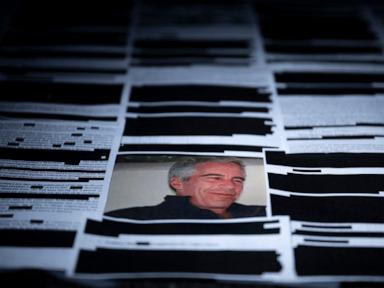
A federal judge ordered the DOJ to unredact some Jeffrey Epstein files or explain why, siding with a journalist who sued.
A federal judge has ordered the Department of Justice (DOJ) to turn over unredacted versions of certain documents related to the late convicted sex offender Jeffrey Epstein, or provide justifications for their continued redaction. U.S. District Judge Emmet Sullivan ruled on June 25 that the DOJ must comply by July 2.
The ruling came after an independent journalist, Katie Phang, sued over the withheld materials. Judge Sullivan found that the Trump administration likely violated the terms of the Epstein Files Transparency Act by withholding the information. The journalist's legal team, the Public Integrity Project, argued that the withheld materials were crucial for understanding Epstein's network and its reach.
Among the documents specified in the order are underlying notes from the FBI's interview with an uncorroborated accuser of President Donald Trump, as well as emails referencing the recruitment of young women. The emails include discussions about the age of potential victims, with one sender referring to a 14-to-15-year-old girl as being of "reproductive age" and comparing her to Nabokov's "Lolita."
Judge Sullivan's decision emphasizes the harm caused by the lack of transparency, stating that Ms. Phang is suffering the "type of harm--lack of transparency--that Congress sought to prevent by requiring disclosure of the information." The ruling mandates that the DOJ not only release the documents with fewer redactions but also publish a log detailing all redactions made.
This order represents a significant victory for transparency advocates and journalists seeking to uncover the full scope of Jeffrey Epstein's alleged sex trafficking operation and the individuals involved. The DOJ's failure to adequately defend its redactions in court has led to this judicial mandate.
The judge rejected the DOJ's arguments against releasing the materials, concluding that the Public Integrity Project successfully demonstrated that withholding the information harmed Ms. Phang's work. The implications of this ruling could extend to other cases where governmental transparency is challenged.
Previous releases of Epstein-related documents have included interview reports, but not the detailed underlying notes or specific email correspondences that are now subject to this unredaction order. The judge's directive for a redaction log aims to provide a clear accounting of what information the government has sought to keep from public view.
Publicly available information suggests that the Epstein Files Transparency Act was intended to ensure greater accountability and understanding of the individuals and activities connected to Epstein. This judicial order appears to uphold that legislative intent, pushing for a more complete disclosure of the sensitive materials.
This article was written by AI based on publicly available news reporting. Original reporting by the linked source.