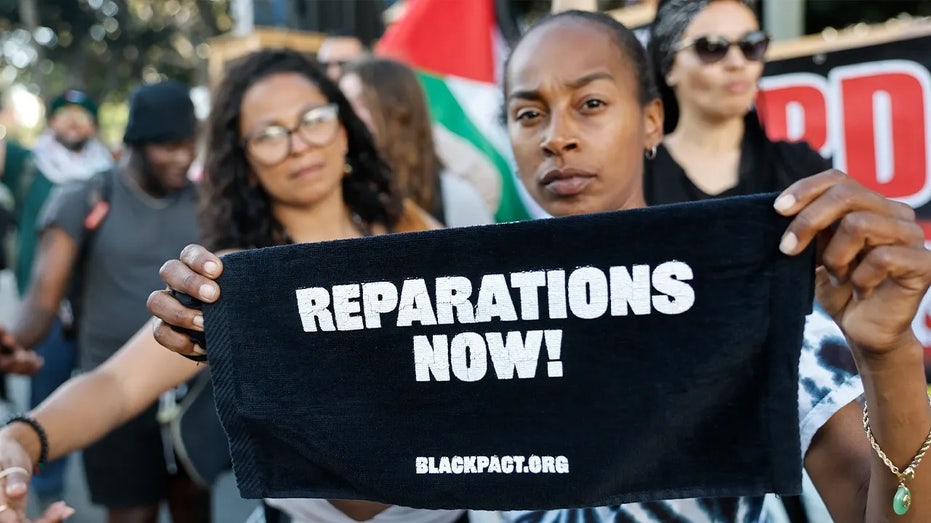
Judge Questions Discrimination Claims in San Francisco Reparations Fund Lawsuit
A San Francisco judge expressed skepticism regarding discrimination claims against the city's reparations fund during a recent lawsuit hearing.
San Francisco Superior Court Judge Curtis Karnow voiced doubts on Tuesday about arguments claiming the city's reparations fund, established for Black residents, would inherently lead to discrimination. The comments came during a hearing for a lawsuit filed by a group of taxpayers seeking to block the fund's implementation.
The lawsuit, filed in January, alleges that the reparations program, which aims to address historical injustices against Black San Franciscans, violates the state constitution by offering benefits based on race. The plaintiffs argue that such a program is discriminatory and that taxpayer money should not be used for race-based initiatives.
During the hearing, Judge Karnow questioned the premise that the fund itself would be discriminatory. He appeared to focus on whether the program's structure and eligibility criteria, if narrowly defined and based on specific historical harms, would necessarily exclude other groups or constitute unlawful discrimination. The plaintiffs' legal team presented their case, emphasizing the potential for unequal treatment and the constitutional issues they believe the program presents.
The implications of the judge's skepticism could be significant for the future of the reparations initiative. If the court sides with the city, it could pave the way for the program to move forward as planned. Conversely, if the plaintiffs' arguments gain traction, it could lead to the fund being halted or significantly altered.
San Francisco is the first city in the United States to establish a reparations task force and subsequently approve a plan that includes direct financial payments to eligible Black residents. The city's Board of Supervisors voted in March to adopt the recommendations from the African American Reparations Committee, which proposed a range of remedies, including a one-time financial payment of $5 million to eligible descendants of enslaved people and those impacted by slavery and discriminatory city policies.
Supporters of the reparations program argue that it is a necessary step to rectify centuries of systemic racism and its lasting economic and social consequences. They point to historical data and personal testimonies to illustrate the profound and ongoing harm caused by slavery and discriminatory practices in housing, employment, and education.
Opponents, like the plaintiffs in the current lawsuit, contend that such programs are divisive and unconstitutional, arguing that individuals should not be held responsible for the actions of past generations and that benefits should not be allocated based on race. They advocate for race-neutral approaches to addressing poverty and inequality.
The judge did not issue a ruling on Tuesday, indicating that further consideration is needed. The case highlights the complex legal and ethical debates surrounding reparations and the challenges of implementing such programs within existing legal frameworks.
This article was written by AI based on publicly available news reporting. Original reporting by the linked source.