Judge Rejects Trump Admin Bid to Segregate 20,000 California Ballots
A federal judge blocked the Trump administration's attempt to segregate 20,000 ballots in California, citing election disruption and constitutional principles.
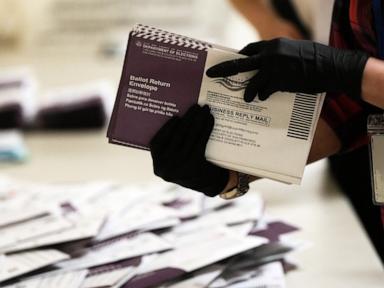
A federal judge in California has rejected a request from the Justice Department, on behalf of the Trump administration, for an emergency order to segregate approximately 20,000 ballots belonging to individuals alleged to be noncitizens. The decision by U.S. District Judge David Carter on Wednesday marks a significant setback for the administration's efforts to intervene in state election procedures.
The Justice Department had sought to compel California to set aside the ballots of those it claimed were likely noncitizens ahead of the upcoming midterm election. This legal maneuver was part of a broader effort by the administration to ensure compliance with federal laws prohibiting noncitizens from voting.
In his ruling, Judge Carter stated that the administration's request "violates longstanding constitutional principles mandating that states have control over their elections." He further elaborated that granting the "last-minute request for relief" could "create chaos for their own political purposes to disrupt the election process" and "discount the votes of United States citizens."
The judge's decision highlighted the potential for widespread disruption, warning that such an order could "wreak havoc and disrupt the election that is already underway, create a chilling effect on election workers and voters alike." The ruling underscores the tension between federal oversight and states' autonomy in managing election processes.
Earlier in October, the Justice Department initiated a lawsuit against California, alleging the state had failed to adequately review a list provided by the Trump administration identifying individuals believed to have received mail-in ballots despite being noncitizens. Bill Essayli, a Trump-appointed U.S. Attorney, argued in court that the administration was merely seeking to enforce federal law barring noncitizens from voting.
However, state officials and legal advocates countered that the lawsuit infringed upon states' constitutional authority over elections and could lead to chaotic consequences for vote tabulation. Los Angeles officials, in particular, noted in court filings that a preliminary analysis of 200 names from the 20,000-person list revealed a "high percentage" of individuals who stated they were born in the U.S., with many others having no voting history.
This ruling follows a recent setback for the Justice Department when, in a 2-1 decision, a federal appeals court panel also declined to issue an immediate order demanding California segregate ballots. The administration's push to intervene in California's election procedures has faced significant legal and procedural hurdles.
The case raises critical questions about the balance of power between federal and state governments in election administration, especially in the sensitive period leading up to an election. The administration's approach has been met with criticism for potentially undermining public confidence in the electoral process and for its timing.
This article was written by AI based on publicly available news reporting. Original reporting by the linked source.