Judge Reyes Clashes With DOJ Over DC Golf Course Tree Removal Amid Trump Renovation Plans
A federal judge questioned the DOJ's motives for removing 500+ trees from a DC golf course, suspecting bad faith due to Trump's renovation plans.
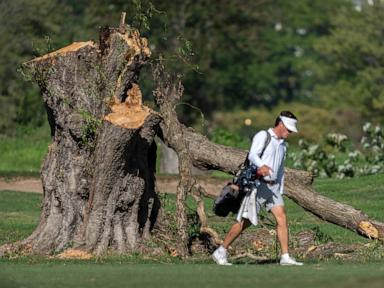
A federal judge in Washington, D.C., is demanding answers from the Trump administration regarding the abrupt removal of over 500 trees from the East Potomac Golf Links on Columbus Day weekend. D.C. District Judge Ana Reyes has ordered testimony from Interior Department official Gregory Wischer and acting Director of the National Park Service Jessica Bowron, questioning whether the government deliberately misled her about the reasons for the tree removal.
The contentious hearing comes after Judge Reyes expressed frustration last week when the trees were removed despite her explicit order for the administration to notify her in advance of any significant alterations to the course, given ongoing litigation. The golf course itself is the subject of a lawsuit filed by the D.C. Preservation League, which opposes President Donald Trump's initiative to transform it into a venue capable of hosting professional tournaments.
Judge Reyes has voiced strong skepticism about the government's stated justification for the tree removal, pointing to a 2019 Cultural Landscape Report that called for the elimination of dead, dying, or hazardous trees. She suggested during Monday's hearing that the government's continued reliance on this report, while President Trump has publicly announced full-scale renovations of the course set to begin November 15, indicates a potential "strong showing of bad faith."
The implications of the judge's scrutiny are significant, as she currently has blocked the administration from proceeding with major construction on the course. The outcome of this hearing could impact the timeline and feasibility of President Trump's ambitious renovation plans for the East Potomac Golf Links, potentially delaying or halting the project.
The exchange began with a clash between Associate Attorney General Stanley Woodward, a high-ranking Justice Department official, and Judge Reyes. When Woodward stated he would instruct DOJ lawyers not to answer the judge's questions regarding their involvement in legal briefs, Reyes ordered him to submit a brief by Monday afternoon explaining the legal basis for his instruction.
The government's primary defense for the tree removals has been to maintain that they were solely based on the 2019 report and are unrelated to the separate, planned redesign of the golf course. Attorney Abbe Lowell, representing parties in the case, repeatedly questioned Wischer during the hearing about the credibility of the 2019 report as the sole reason for the extensive tree removal.
Wischer, a political appointee, maintained that the tree removals were strictly for the purpose of "cleaning up the course" and were not connected to the broader renovation efforts promoted by the Trump administration. However, the judge's persistent questioning and the timing of the removals in relation to the announced renovation plans have fueled her suspicions.
This situation raises questions about transparency and adherence to judicial orders within government actions. The judge's firm stance suggests a potential for further legal challenges and increased scrutiny of the administration's land management decisions, particularly when they intersect with high-profile projects.
This article was written by AI based on publicly available news reporting. Original reporting by the linked source.