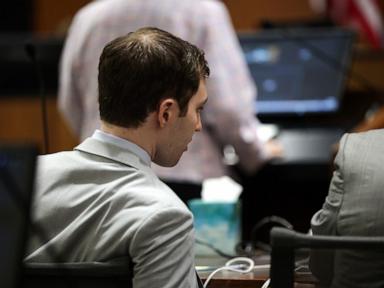
Man accused of murdering Charlie Kirk to stand trial mid-2028
Utah man Tyler Robinson's capital murder trial for the death of Charlie Kirk is set to begin June 21, 2028.
The trial for Tyler Robinson, accused of fatally shooting conservative activist Charlie Kirk, is scheduled to commence in mid-2028, according to a ruling by Utah District Court Judge Tony Graf. Jury selection is slated to begin on June 21, 2028, with 105 days reserved for the proceedings.
The significant delay, with the trial date set nearly four years after Kirk's death, aims to uphold the constitutional rights of both the suspect, Robinson, and the victim's widow, Erika Kirk, Judge Graf stated. Kirk was killed last year while speaking at a Turning Point USA event on a college campus.
Robinson's defense attorneys had requested the trial start in late 2029, citing the complexity of capital cases and the need for substantial jury selection time, including a potential venue study. The state, meanwhile, proposed an early 2028 start, though their readiness date was as early as October 2027.
Kirk's widow, Erika Kirk, has pushed for an expedited trial, urging the court to set a date as early as 2027. Her legal team argued that a delayed trial, such as one in 2029, would prolong the family's suffering and impose significant taxpayer costs on Utah.
In a motion filed on Erika Kirk's behalf, it was noted that under the defense's proposed schedule, Kirk's two young children, who were one and three at the time of his murder, would be significantly older by the trial's conclusion. The motion emphasized the emotional toll of the prolonged legal process on the family, stating, "Each hearing induces anxiety, pain, and mourning. The Kirk family deserves to have this matter resolved expeditiously."
The defense's request for a later trial date was based on comparisons to other capital cases in Utah, suggesting a 2029 start was consistent with the typical timeline for such proceedings. They anticipated the trial itself could span six to seven months.
Conversely, the state's prosecutors estimated the trial would take 17 weeks. They initially indicated readiness by October 2027 but recommended a January 31, 2028, start date to navigate around the winter season and major holiday periods.
The judge's decision to set the trial for mid-2028 represents a compromise between the prosecution's desire for an earlier resolution and the defense's request for a more extended preparation period. The ruling underscores the intricate balance courts must strike between ensuring a fair trial and addressing the needs and rights of all parties involved in high-profile criminal proceedings.
This article was written by AI based on publicly available news reporting. Original reporting by the linked source.