Juror's Attorney Denies Refusal to Follow Law in Lindsay Clancy Mistrial
The attorney for a holdout juror in the Lindsay Clancy case stated his client did not refuse to follow the law, but had no doubt in her decision.
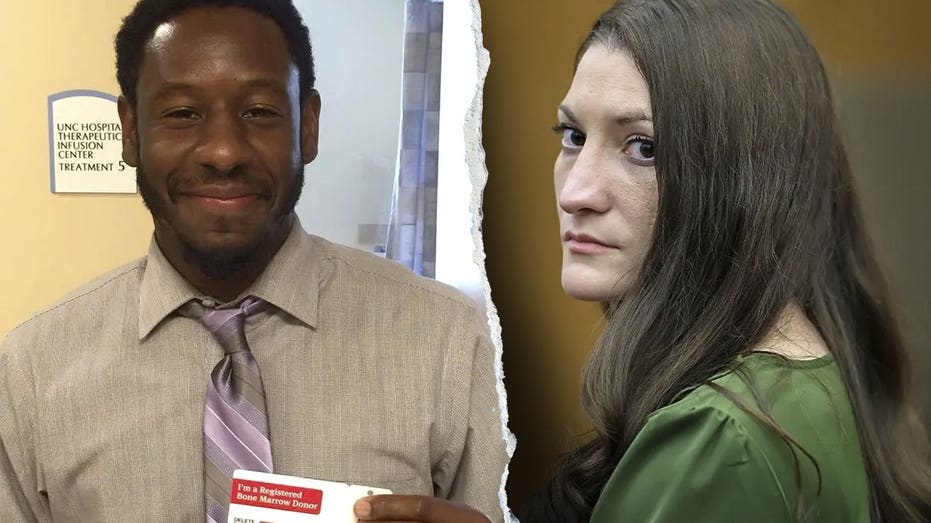
The attorney representing the sole holdout juror in the mistrial of former nurse Lindsay Clancy has asserted that his client did not refuse to follow the law. Kevin Reddington, counsel for the juror, stated that his client maintained "no doubt" in her deliberations and believed she was following the law.
Clancy, 38, faces charges of murder and assault in connection with the January 2023 deaths of her three young children in Duxbury, Massachusetts. The trial, which focused on the first-degree murder charge for the death of her 8-year-old son, ended in a mistrial after the jury could not reach a unanimous verdict.
Reddington's comments come after reports suggested the juror was unwilling to consider the prosecution's arguments or adhere to legal instructions. He clarified that his client's position was based on a firm conviction regarding the evidence presented. "She felt she had no doubt, and that's what she told the judge," Reddington said, emphasizing the juror's adherence to her oath.
The mistrial highlights the challenges faced by juries in complex cases involving mental health defenses, which Clancy's legal team has indicated they plan to pursue. The prosecution is expected to retry the case, with further legal proceedings anticipated.
Legal experts note that jurors are tasked with applying the law as instructed by the judge to the facts they find. If a juror believes they cannot conscientiously do so, they are obligated to state that. However, the attorney's assertion suggests the juror believed her verdict was a direct application of the law, not a defiance of it.
The defense has signaled an intent to present evidence related to Clancy's mental state at the time of the deaths. This approach often involves expert testimony and can lead to prolonged jury deliberations as jurors grapple with intricate medical and psychological information.
The outcome of the mistrial means the legal process for Clancy will continue, with prosecutors likely to present their case again. The defense will have another opportunity to present its arguments and evidence, aiming for a different outcome in a subsequent trial.
Details surrounding the jury's deliberations remain private, as is customary in such cases. However, the statements from the juror's attorney offer a glimpse into the internal dynamics that led to the deadlock, emphasizing the juror's conviction and her interpretation of her legal duties.
This article was written by AI based on publicly available news reporting. Original reporting by the linked source.