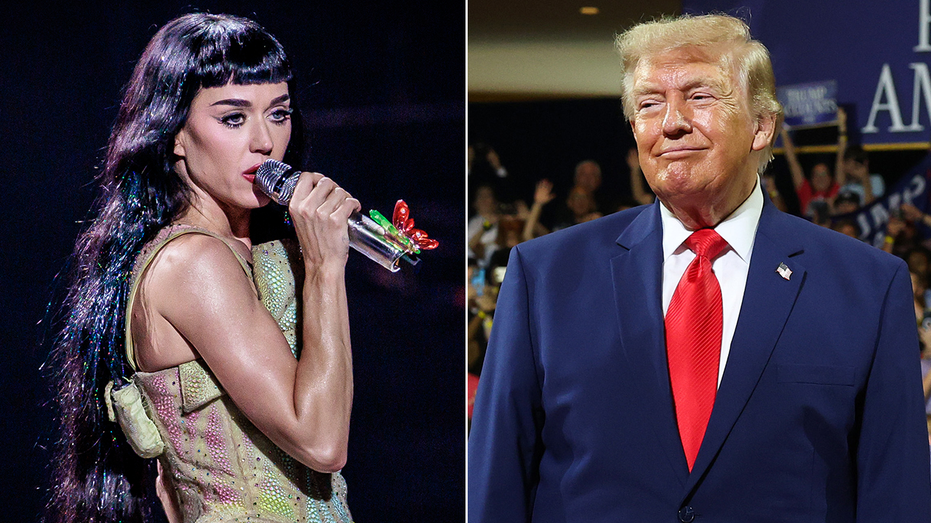
Katy Perry Blasts White House for Using 'Firework' in Iran Strike Video
Katy Perry's hit song 'Firework' was used in a White House video about Iran, drawing criticism from the pop star.
Pop superstar Katy Perry has expressed her disapproval after the White House used her hit song "Firework" in a video montage celebrating the anniversary of the U.S. strike that killed Iranian military commander Qasem Soleimani.
The video, posted on social media platforms, featured clips of the strike and was set to the music of Perry's 2010 anthem. The White House intended the montage to highlight the administration's foreign policy achievements.
However, Perry's team quickly responded, stating that the use of her music was unauthorized. A representative for the singer indicated that Perry did not grant permission for her song to be used in such a context, particularly for a video related to a military action.
The controversy highlights the ongoing debate around the licensing and use of popular music in political content. While the White House has not issued a formal statement regarding Perry's objection, the incident brings attention to the rights of artists over their work.
"Firework" became a global phenomenon upon its release, known for its uplifting message of self-acceptance and empowerment. Its use in a video commemorating a military strike has been seen by many as a misapplication of its intended theme.
This situation is not the first time public figures or organizations have faced scrutiny for using copyrighted music without explicit consent or in ways that artists deem inappropriate. Such instances often lead to discussions about fair use, licensing agreements, and the ethical considerations of employing popular culture in political messaging.
Perry, who recently sold her music catalog for a reported $225 million, has a vested interest in how her intellectual property is utilized. The unauthorized use of "Firework" raises questions about the clearance processes employed by the White House for its social media content.
The White House has a history of using popular music in its promotional videos, often aiming to connect with a wider audience. However, this particular instance has drawn a direct rebuke from the artist herself, underscoring the complexities of music licensing in the digital age.
This article was written by AI based on publicly available news reporting. Original reporting by the linked source.