Kennedy Center Board Weighs Renovation Options Amid Ongoing Legal Uncertainty
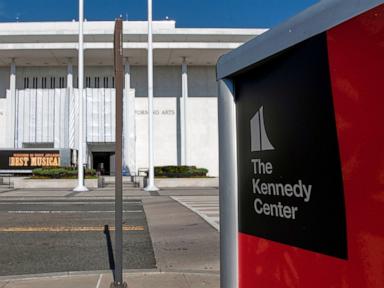
The Kennedy Center board is still considering closure for renovation, presenting three options after a judge blocked its previous plan.
The John F. Kennedy Center for the Performing Arts in Washington, D.C., is still evaluating options for a comprehensive renovation, including the possibility of a full closure, according to a recent court filing. This comes after a federal judge previously blocked the performing arts center's original plan to close its doors entirely by July 6, 2026.
The legal challenge arose when U.S. District Judge Christopher Cooper ruled that the Kennedy Center's board had not fulfilled its fiduciary duties. The judge found that the board had seemingly approved the renovation proposal, which included a complete shutdown, without adequately considering its statutory responsibilities.
In a filing submitted late Friday, Kennedy Center executive director Matt Floca outlined three potential paths forward for the board's consideration in mid-July. These options range from a complete closure to accelerate construction, to partial closures of specific areas, or a series of phased closures to address critical infrastructure needs while maintaining some public programming.
While the center's management has stated that public access to the building will continue for now, including its JFK exhibit, the Justice Department's lawyers noted that no concrete steps have yet been taken regarding programming or staffing. This lack of affirmative action has drawn criticism from opponents of the closure.
Attorneys representing the plaintiffs who sued to block the initial closure accused the Kennedy Center's leadership of intending to leave the building inactive. Led by Kennedy Center board member Rep. Joyce Beatty, D-Ohio, these opponents argue that the center's leaders are actively choosing not to restore programming and are instead implementing a shutdown by inaction.
Judge Cooper's May 29 order specifically prevented the board from proceeding with its plan to wind down programming through spring 2026 and then close the center. The ruling highlighted the board's decision-making process as ill-informed and seemingly predetermined, lacking consideration for the center's full range of statutory obligations.
Amidst these deliberations, the Kennedy Center's management has not scheduled further programming. The situation remains fluid as the board prepares to review the new options, with the ultimate decision on renovation and operation yet to be determined.
Legal experts suggest that the board's upcoming decision will be critical in determining the future operational model of the Kennedy Center and its ability to fulfill its mission while undertaking necessary structural improvements.
This article was written by AI based on publicly available news reporting. Original reporting by the linked source.