Kenya Probes 15 Elephant Deaths, Potential Toxin Suspected
Kenyan authorities are investigating the unexplained deaths of 15 elephants in Amboseli National Park, with preliminary tests suggesting a potential toxic substance.
Kenyan wildlife officials have launched an investigation into the mysterious deaths of 15 elephants in the Amboseli National Park over the past month. The Kenya Wildlife Service (KWS) reported that ten of the deceased animals exhibited signs of partial paralysis before succumbing within a two-day period. The remaining five carcasses were too degraded or had been scavenged by predators, preventing a definitive cause of death from being determined.
The majority of the elephants found dead were females and their young calves, with only one male identified among the deceased. The incidents occurred in the Kimana sanctuary and Kuku ranch areas, which are adjacent to the main national park.
Preliminary laboratory analysis of samples taken from the elephants at the University of Nairobi has indicated the presence of a "potential toxic substance." However, separate tests conducted by a government laboratory yielded negative results for the specific toxins examined. KWS has stated that further comprehensive testing is ongoing to clarify these findings.
Environmental investigations are also underway, focusing on water sources and other potential environmental contaminants in the affected regions. The goal is to ascertain if the elephants were exposed to a common source of contamination. KWS has moved to reassure the public, emphasizing that there is currently no evidence to suggest that the condition affecting the elephants can be transmitted to humans.
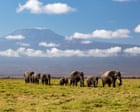
Amboseli National Park is globally recognized for its large elephant populations and scenic savannah vistas, famously featuring Mount Kilimanjaro in the distance across the Tanzanian border. The park is estimated to be home to approximately 2,000 elephants, making these deaths a significant concern for conservation efforts.
Kenya has a history of elephant deaths linked to poaching and human-wildlife conflict, where animals may be poisoned. However, the specific circumstances and symptoms observed in these recent cases, particularly the signs of paralysis, warrant a thorough investigation to rule out other potential causes, such as disease or environmental poisoning unrelated to human activity.
Officials are awaiting the results of further laboratory analyses, including broader toxicology screenings and environmental sampling, to pinpoint the exact cause of death. The KWS has committed to providing updates as the investigation progresses.
The outcome of this investigation is crucial for understanding the specific threats facing Amboseli's elephant population and for implementing targeted conservation strategies to prevent future occurrences. The findings could also have implications for broader wildlife management practices in Kenya and across similar ecosystems facing environmental pressures.
This article was written by AI based on publicly available news reporting. Original reporting by the linked source.