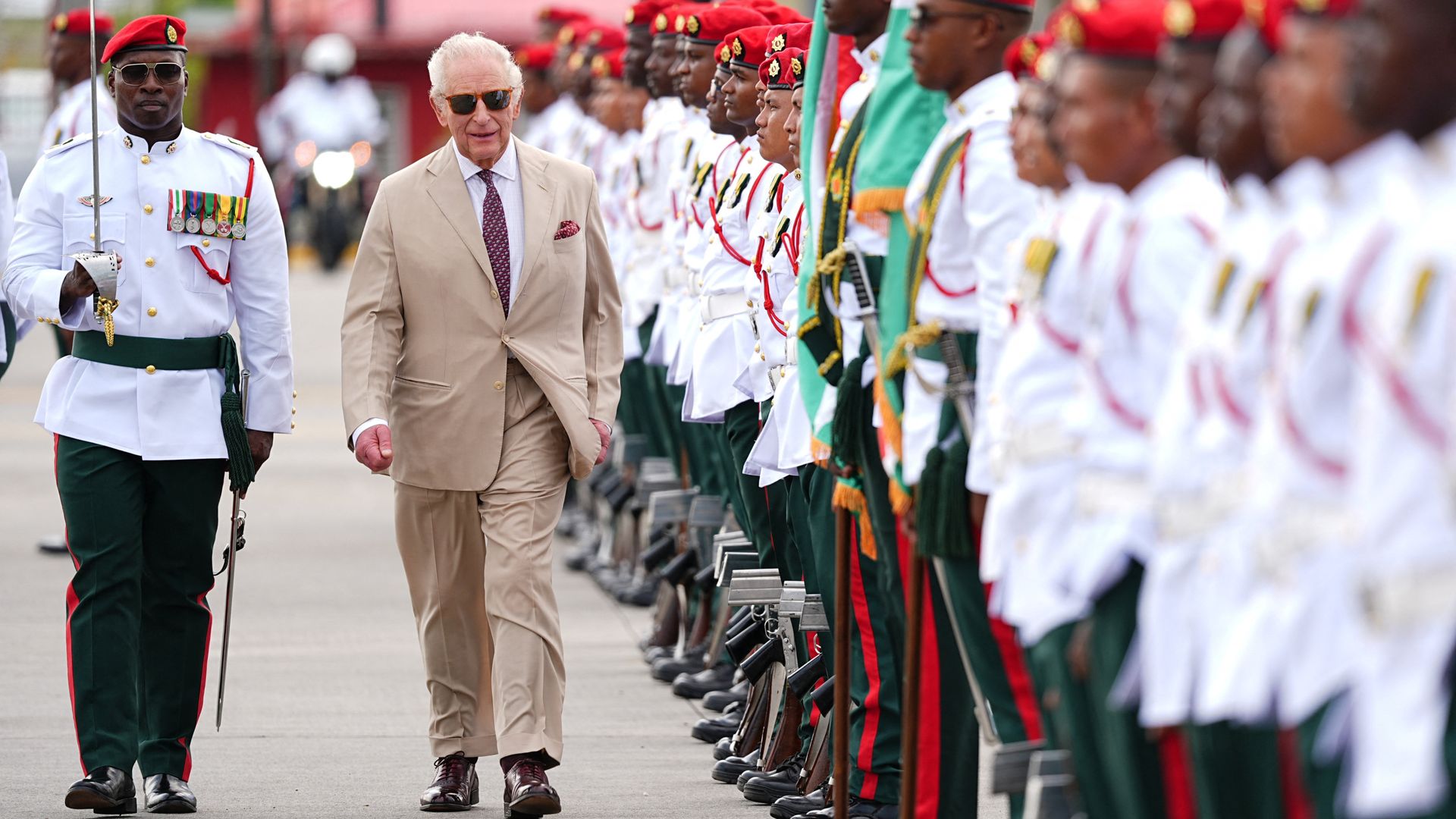
King Charles III to Address Slavery with 'Unflinching Honesty' to Commonwealth
King Charles III will address the legacy of slavery with 'unflinching honesty' and 'sincere sorrow' at a Commonwealth leaders' meeting.
King Charles III is set to deliver a speech to Commonwealth leaders addressing the legacy of slavery with what his office describes as "unflinching honesty" and "sincere sorrow." The address comes at a time of heightened scrutiny and calls for Britain to formally apologize for its historical role in the transatlantic slave trade.
The speech is anticipated to acknowledge the profound and lasting impact of the slave trade, a system in which millions of Africans were forcibly transported across the Atlantic and subjected to brutal conditions. The Commonwealth, an association of 56 member states, many with historical ties to the British Empire, provides a significant platform for such a discussion.
While specific details of the King's remarks remain private, the framing of the speech suggests a departure from previous, more muted acknowledgments of this difficult history. The use of terms like "unflinching honesty" and "sincere sorrow" indicates a willingness to confront the painful aspects of the past directly. This is occurring amidst ongoing global conversations about historical injustices and reparations.
The address is likely to be closely watched by Commonwealth nations, many of which are grappling with the enduring consequences of colonialism and slavery. It could set a tone for future engagements between the UK and these nations on matters of historical accountability and reconciliation.
Historically, the British monarchy and government have offered varying degrees of acknowledgment regarding the slave trade. While past statements have recognized the brutality of the system, a formal apology from the Crown or the government has not been issued. The increasing public and political pressure for such an apology has been building over recent years, fueled by activism and a broader societal reckoning with historical narratives.
Experts in post-colonial studies and history suggest that the King's words, regardless of their precise phrasing, will carry significant symbolic weight. They will be interpreted not just as a personal reflection but as a reflection of the evolving stance of the British establishment. The nature of the Commonwealth, with its shared history, makes this particular forum particularly poignant for such a discussion.
Reactions from Commonwealth member states are expected to be varied. Some may welcome the acknowledgment as a step towards healing and reconciliation, while others might view it as insufficient without concrete actions or a formal apology. The complexities of the slave trade's legacy, impacting different nations in distinct ways, mean that a single statement may not satisfy all expectations.
Questions remain about whether this speech will be a prelude to more concrete actions or policy shifts from the British government concerning reparations or other forms of redress. The long-term impact will depend on how this acknowledgment is received and built upon in subsequent diplomatic and public discourse.
This article was written by AI based on publicly available news reporting. Original reporting by the linked source.