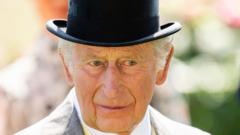
King Charles III Pays £12.9M Tax, First Monarch to Reveal Bill
King Charles III revealed a £12.9 million tax payment, marking the first time a monarch has disclosed their tax bill.
King Charles III has publicly disclosed his tax payment of £12.9 million for the 2024-2025 financial year, a historic move making him the first British monarch to reveal such a figure. This substantial payment places the King among the top 100 highest taxpayers in the United Kingdom.
This disclosure comes as part of the annual royal report and accounts, which also revealed that the Prince of Wales, Prince William, paid £7.76 million in tax over the same period. The decision for both the King and the Prince of Wales to voluntarily make their tax payments public was a personal one, according to their respective offices, aimed at enhancing transparency and fostering a greater understanding of the Royal Household's accountability.
Since King Charles ascended to the throne in 2022 and Prince William became the Prince of Wales, their combined tax contributions to HM Revenue and Customs have exceeded £50 million. The published figures do not offer a detailed breakdown of how the tax liabilities were calculated, though it is noted that the King paid the highest rate of tax.
Beyond the tax revelations, the royal accounts also confirmed that King Charles and Queen Camilla will continue to reside at Clarence House rather than relocating to Buckingham Palace, which is currently undergoing renovations. The Sovereign Grant, the primary source of public funding for the Royal Household, is projected to increase to just under £100 million for the 2027-28 fiscal year.
The King's income, which is subject to tax, is primarily derived from the Duchy of Lancaster, an estate established to provide the monarch with independent funds for official and private expenses. This portfolio of land, investments, and properties generated an income of £25.2 million in the 2025-26 period. Additional taxable income sources for the King include his personal investments, savings, and revenue from his private estates, Balmoral and Sandringham.
Prince William, as the Prince of Wales, receives income from the Duchy of Cornwall, a vast hereditary estate that funds his official duties, private office, and personal family life. He pays income tax at the highest rate on any net surplus after these expenses are accounted for. These costs undergo independent audits to ensure their appropriateness, as stated by the Prince's private secretary, Ian Patrick, who highlighted the Prince's recognition of the public interest in these arrangements and the importance of transparency.
While the tax figures for 2024-2025 have been disclosed, the tax payable for the 2025-2026 period is still undergoing audit and will be made public next year. Notably, Prince William has also opted to cease personally benefiting from the £1.5 million annual rent generated by the former Dartmoor Prison. He has requested this sum be removed from the Duchy of Cornwall's income, with the funds to be redirected towards support programs.
This unprecedented transparency regarding the monarch's and heir's tax payments represents a significant shift in royal financial disclosure. While the exact calculations remain private, the voluntary publication of these substantial sums aims to address public curiosity and reinforce the monarchy's commitment to accountability in modern times.
This article was written by AI based on publicly available news reporting. Original reporting by the linked source.