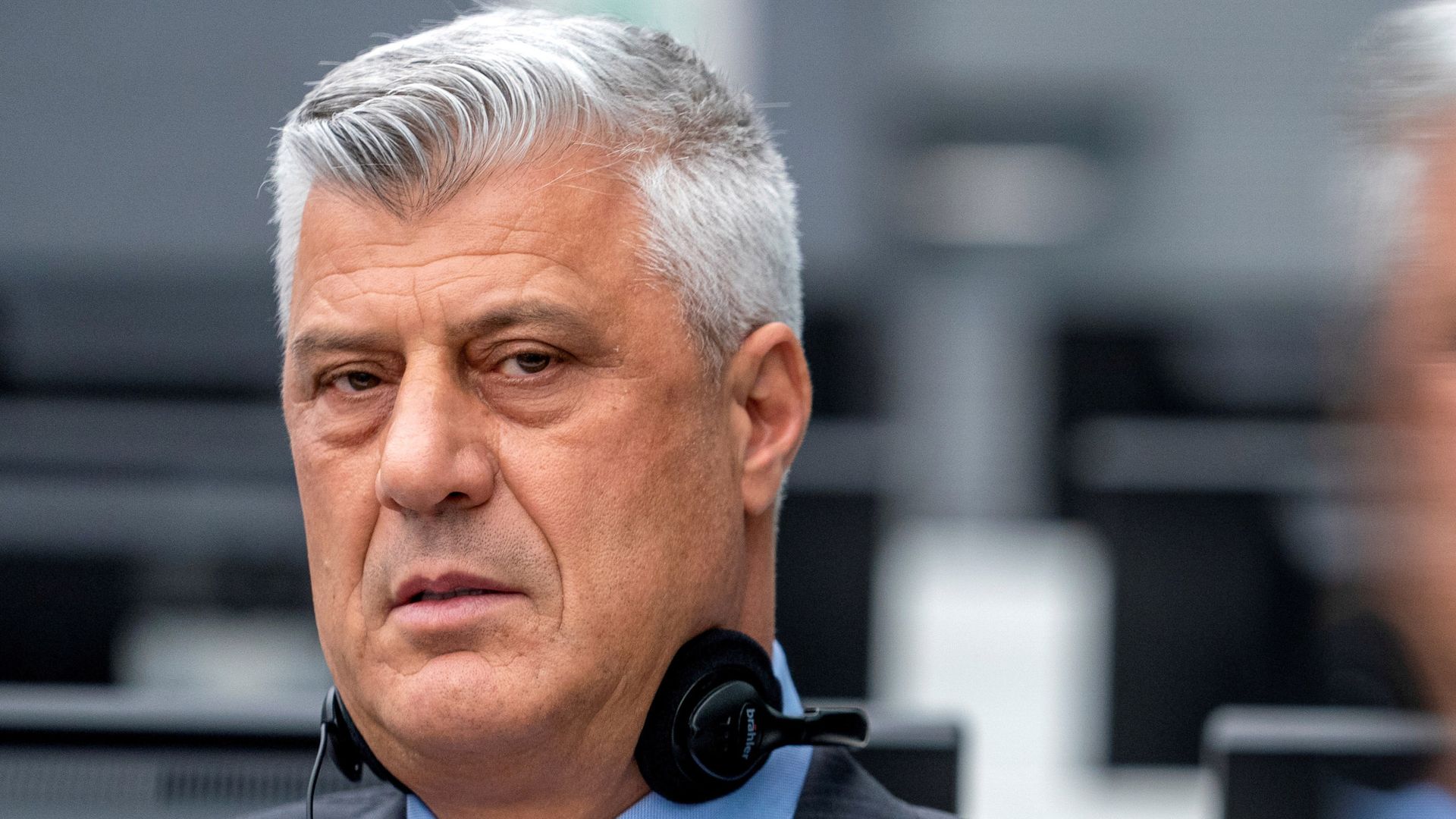
Kosovo's Ex-President Hashim Thaci Gets 25 Years for War Crimes
Former Kosovo President Hashim Thaci was sentenced to 25 years for war crimes following a trial at The Hague.
Kosovo's former president, Hashim Thaci, has been sentenced to 25 years in prison after being found criminally responsible for war crimes. The verdict was delivered following a trial at the Kosovo Specialist Chambers in The Hague.
Thaci, a prominent figure in Kosovo's fight for independence from Serbia in the late 1990s, faced charges related to crimes against humanity and war crimes. These allegations stemmed from his time as a commander in the Kosovo Liberation Army (KLA).
The court found Thaci guilty of multiple offenses, including persecution, deportation, unlawful transfer of persons, and torture. The sentencing marks a significant moment for Kosovo, a nation still grappling with its past and its relationship with Serbia. Thaci had resigned from his presidency in November 2020 after being indicted, stepping down to face the charges.
The implications of this conviction extend beyond Thaci himself, potentially impacting the perception of Kosovo's war for independence and its leaders. The trial, which has been ongoing for an extended period, aimed to bring accountability for alleged atrocities committed during the conflict.
The Kosovo Specialist Chambers, an independent judicial body supported by the European Union, was established to investigate and prosecute alleged crimes committed by members of the KLA. The court's proceedings have been closely watched both within Kosovo and internationally, as they represent a crucial step in addressing past grievances and establishing justice.
During the trial, prosecutors presented evidence detailing alleged human rights abuses. Thaci and his co-defendants have consistently denied the charges, asserting their actions were part of a legitimate struggle for liberation. The defense had argued for their innocence, highlighting the context of the war and the need for Kosovo's sovereignty.
This sentencing is one of the longest handed down by the Specialist Chambers, underscoring the gravity of the crimes for which Thaci was found responsible. It also raises questions about the future political landscape in Kosovo and the legacy of the KLA's wartime leadership.
As the legal process concludes for Thaci, attention will likely turn to the broader implications for reconciliation efforts in the Western Balkans and the ongoing efforts to ensure accountability for wartime conduct.
This article was written by AI based on publicly available news reporting. Original reporting by the linked source.