Kratom Risks Highlighted After College Students Die
Experts warn of kratom's dangers following the deaths of college students, prompting calls for increased awareness and regulation.
The serious risks associated with kratom, a plant-based substance gaining popularity, have come under intense scrutiny following the recent deaths of college students. The alarming incidents have led experts to renew calls for greater public awareness and potentially stricter oversight of the substance.
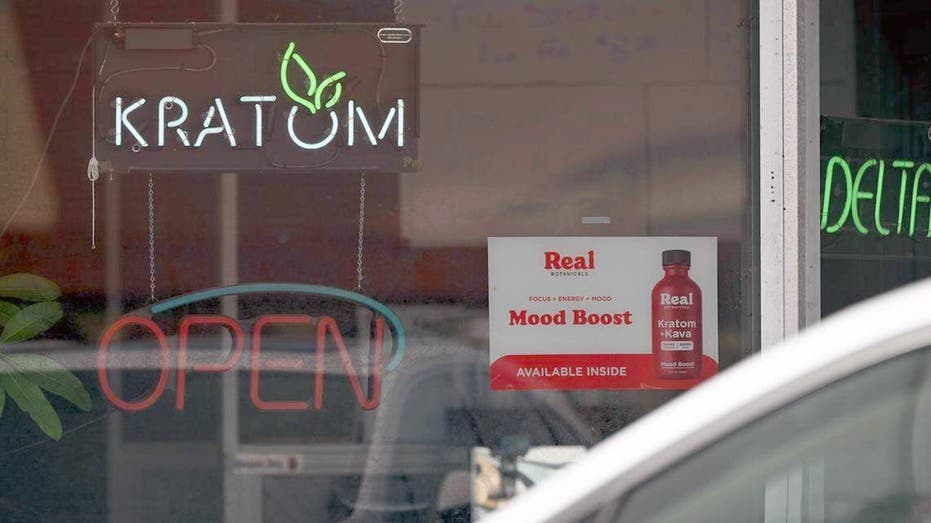
Kratom, native to Southeast Asia, is derived from the leaves of a tropical tree. It is often used for its stimulant effects at low doses and its opioid-like effects at higher doses, with users reporting pain relief and euphoria. In recent years, it has become increasingly accessible in the United States, available in various forms such as powders, capsules, and teas, often sold in smoke shops and online.
While proponents claim kratom is a natural remedy for pain, anxiety, and opioid withdrawal, medical professionals and public health officials have expressed significant concerns. These concerns stem from the substance's potential for addiction, its unpredictable effects, and a growing number of reported adverse events, including seizures, liver damage, and, in tragic cases, fatalities.
The recent deaths of college students, though specific details remain under investigation, have amplified these concerns. These incidents serve as a stark reminder of the potential dangers that may be associated with kratom use, particularly among young adults who may be unaware of its risks or its interactions with other substances.
Public health organizations have previously issued warnings about kratom. The U.S. Food and Drug Administration (FDA) has stated that kratom is not approved for any medical use and has warned about its potential dangers. The agency has also noted that kratom products may be contaminated with dangerous pathogens or other drugs.
Experts emphasize that the long-term health effects of kratom are not well understood. The lack of consistent regulation means that the potency and purity of kratom products can vary significantly, increasing the risk of accidental overdose or adverse reactions. This variability poses a significant challenge for both users and healthcare providers.
In light of these tragic events, there is a growing demand for more research into kratom's effects and for clearer guidelines regarding its sale and consumption. The incidents involving the college students underscore the urgent need for public education campaigns to inform individuals about the potential dangers of kratom and to encourage safer choices.
As investigations continue into the specific circumstances surrounding the students' deaths, the conversation around kratom's safety and regulation is expected to intensify. This renewed focus may lead to increased pressure on lawmakers and regulatory bodies to address the growing concerns surrounding this widely available substance.
This article was written by AI based on publicly available news reporting. Original reporting by the linked source.