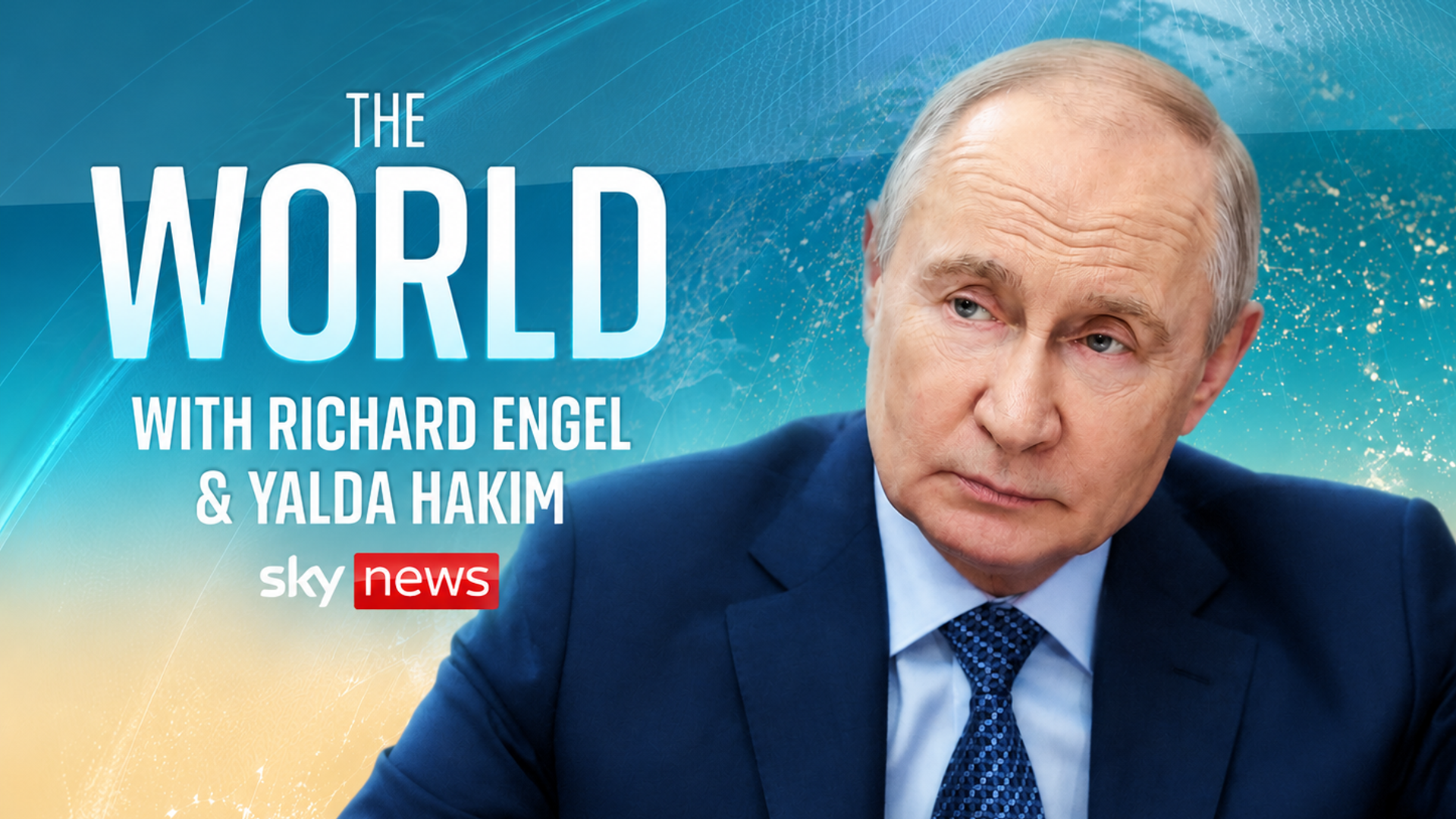
Kremlin Nervously Eyes Global Backlash Over Ukraine War, Analysts Say
Kremlin reportedly shows signs of nervousness about global reactions to the Ukraine war, prompting increased domestic information control.
Russia's government is exhibiting signs of growing nervousness regarding international and domestic reactions to its ongoing war in Ukraine, according to recent analyses. While official pronouncements maintain a defiant stance, internal communications and increased information control measures suggest a heightened sensitivity to global opinion and potential repercussions.
The conflict, now in its extended phase, continues to exert significant pressure on Russia's economy and international standing. Analysts suggest that the Kremlin is increasingly concerned about the long-term impact of sanctions, the sustained international condemnation, and the potential for growing dissent within Russia itself, despite stringent measures to suppress it.
Reports indicate a tightening grip on domestic media and online platforms, with authorities working to shape the narrative surrounding the war and limit exposure to external viewpoints. This intensified effort to control information is seen by observers as a direct response to perceived external pressures and a desire to maintain domestic stability amid prolonged conflict.
The implications of this perceived nervousness extend to Russia's diplomatic strategies and its engagement with the international community. A more defensive posture on the global stage could manifest in various ways, from increased propaganda efforts to a more cautious approach in international negotiations.
Experts monitoring the situation suggest that the Kremlin's actions reflect a delicate balancing act. On one hand, they must project strength and resolve to both domestic and international audiences. On the other hand, the sustained human and economic costs of the war, coupled with unwavering international support for Ukraine, appear to be creating an undercurrent of anxiety within the leadership.
The current information environment within Russia is heavily curated, with state-controlled media dominating the landscape. Independent journalism has been severely curtailed, making it challenging for citizens to access a wide range of perspectives on the war and its consequences. This environment is conducive to the Kremlin's objective of controlling the narrative but also highlights its sensitivity to alternative information flows.
International responses, ranging from comprehensive sanctions regimes to diplomatic isolation, continue to shape Russia's economic and political landscape. The sustained unity among Western allies in their support for Ukraine and their condemnation of the invasion remains a significant factor influencing the Kremlin's strategic calculations.
Unresolved questions persist regarding the long-term sustainability of Russia's current trajectory and the potential for shifts in its domestic or foreign policy. The extent to which internal pressures might influence future decisions, particularly in the face of continued international pressure, remains a key area of observation for global analysts.
This article was written by AI based on publicly available news reporting. Original reporting by the linked source.